


Francis Pan
Francis Pan is the Foreign Trade Manager of RAYMAX, with over 10 years of experience in sheet metal fabrication equipment and CNC machinery. He has worked closely with manufacturers worldwide on press brakes, fiber laser cutting machines, fiber laser welding machines, and practical production-oriented metal processing solutions.
Top Guidelines
-1024x768.jpg)
-1024x768.jpg)
-1024x768.jpg)
-1024x768.jpg)
Table Of Contents
Stay in the the loop
Subscribe To Our Newsletter
Introduction
Press brake tonnage is a crucial parameter in metal processing, and the meaning of tonnage is to provide sufficient force for the press brake to bend sheet metal to a predetermined angle and shape. Tonnage directly affects whether the sheet metal can be bent, but also related to production efficiency and precision. In addition to all of this, the right tonnage ensures the safety of the equipment, prolongs its service life and protects the material from damage. In order to give you a deeper understanding of the relevant content of press brake tonnage, this article explores how to calculate press brake tonnage, how to choose the right tonnage, and frequently asked questions and answers.
Basic concept of press brake tonnage
What is press brake tonnage?
Definitions
Press brake tonnage refers to the maximum force that can bend a sheet metal.
The difference between nominal tonnage and actual tonnage
Nominal Tonnage: The rated tonnage of the press brake at the factory, which is the ideal value calculated by the designer.
Actual Tonnage: The value of the sheet that the press brake can bend in practice.
Glossary of tonnage calculations
How does tonnage affect processing capacity?
The tonnage of the press brake varies according to different materials and different thicknesses of sheet metal. When the length is constant, the tonnage of the same material increases when the thickness increases. When the thickness is constant, the longer the same material, the larger the range of force required, and the greater the tonnage; When the thickness and length of the material remain unchanged, the higher the material strength of different materials, the greater the tonnage required.
Safety margin
When selecting the tonnage of the press brake, it is essential to have a safety margin. In order not to keep the equipment in a state of long-term overload, when selecting the machine, the tonnage is generally 20%-30% higher than the actual processing demand.
Calculation method of tonnage of press brake
Standard tonnage calculation formula
The formula for calculating the tonnage of the international standard press brake is: T=L×Tm×K
Where T: Tonnage (Tons) L: Bending Length (mm) Tm: Material Thickness (mm) K: Material Coefficient
Formulas that consider the tensile strength of materials
T=L×Tm×TS Here, TS is the tensile strength in MPa
tonnage calculation factors
The tonnage of the press brake depends on the type of material, the bending method and the tools used.
Advanced calculation of tonnage
Forming tonnage = 1.42 × σb × S^2 × L/V
Compute Example Demo
Example 1: Mild steel tonnage
T = 1000×5×1.0 = 5 tons
Example 2: Air bent mild steel
P = 1.42×400×3^2×1000 / 12 = 14,220N
Example 3: Bending stainless steel
P = 1.42 ×600×4^2×1200 / 16 = 25,344N
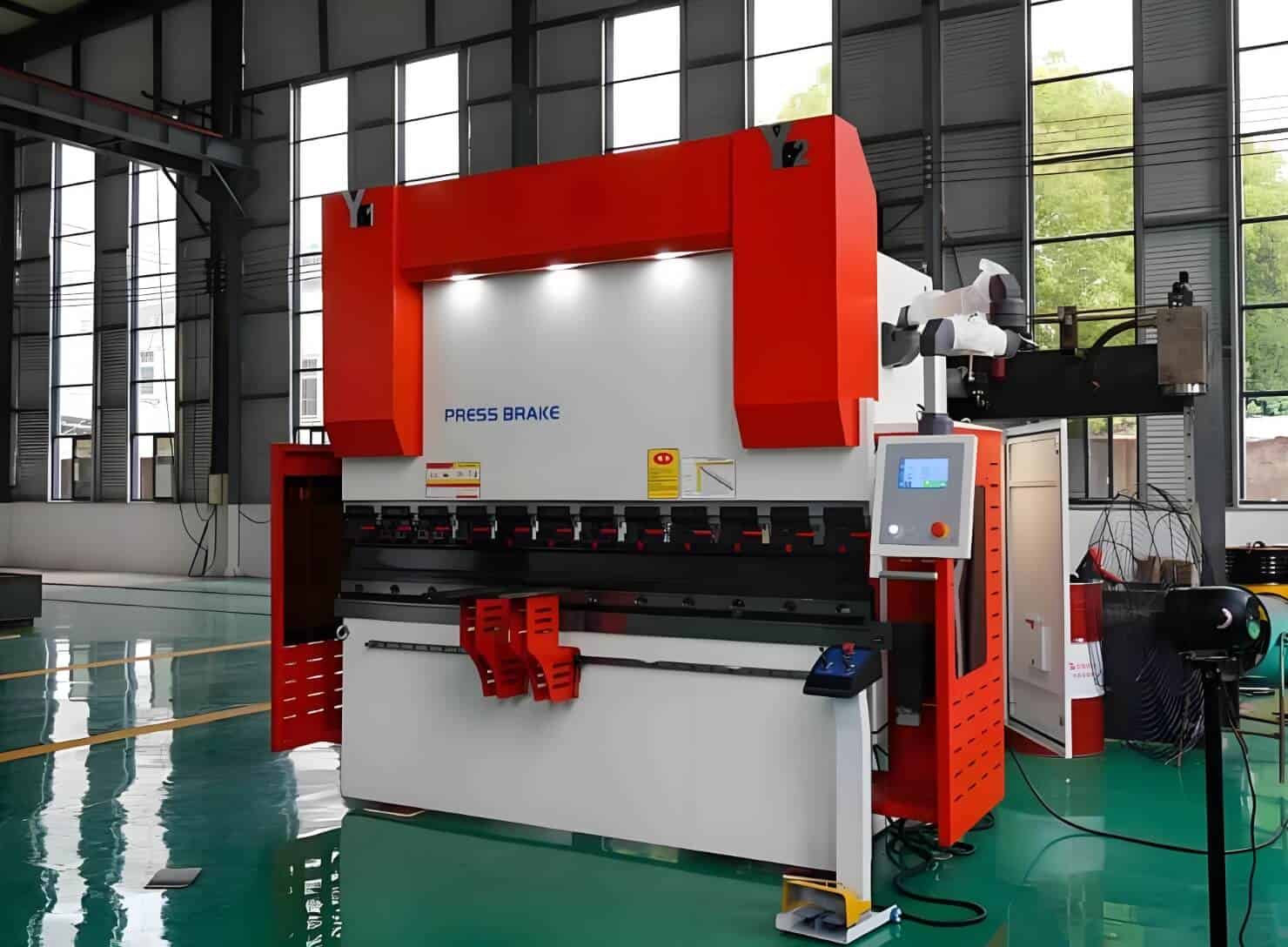
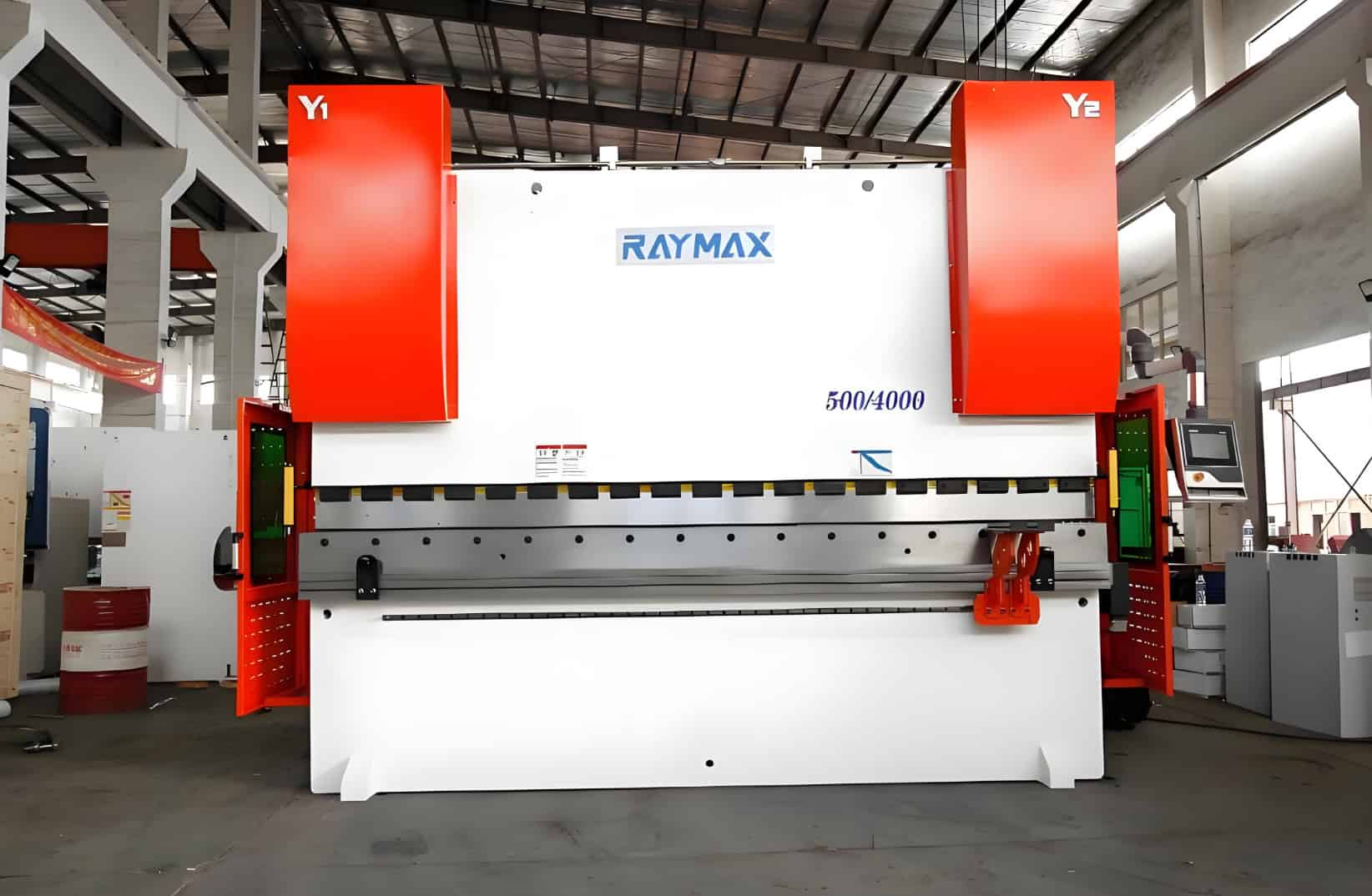
Common press brake size classification
Properties of metallic materials
Effect of tensile strength (TS value) on tonnage
Tensile strength refers to the maximum force of a metal material before it breaks. The higher the tensile strength, the more tonnage is required.
Applicable tonnage analysis of various materials
Mild steel bending tonnage: Generally requires moderate force to bend.
Stainless steel bending tonnage: It has more tensile strength than mild steel, which is medium force, so a higher force is used.
Aluminum bending tonnage: Lightweight and softer, with relatively low tensile strength and less force.
Metal tensile strength chart
|
Types of Metals |
Tensile Strength (PSI) |
Yield strength (PSI) |
Hardness Rockwell (B-Scale) |
Density (Kg/m³) |
|
Stainless steel 304 |
90,000 |
40,000 |
88 |
8000 |
|
Aluminum 6061-T6 |
45,000 |
40,000 |
60 |
2720 |
|
Aluminum 5052-H32 |
33,000 |
28,000 |
|
2680 |
|
Aluminum 3003 |
22,000 |
21,000 |
20 to 25 |
2730 |
|
Steel A36 |
58-80,000 |
36,000 |
|
7800 |
|
Steel Grade 50 |
65,000 |
50,000 |
|
7800 |
|
Yellow Brass |
|
40,000 |
55 |
8470 |
|
Red Brass |
|
49,000 |
65 |
8746 |
|
Copper |
|
28,000 |
10 |
8940 |
|
Phosphor Bronze |
|
55,000 |
78 |
8900 |
|
Aluminum Bronze |
|
27,000 |
77 |
7700-8700 |
|
Titanium |
63,000 |
37,000 |
80 |
4500 |
Metal material thickness
In general, the tonnage increases as the material thickens. The greater the thickness of the material, the greater the deformation resistance and therefore the greater the bending force required.
Bending geometric parameters
Bending length
The bending length is the maximum length that a sheet metal can be bent. The larger the metal bending length, the more force is distributed over a larger area, increasing the total tonnage required. For example, it may take 10 tonnes to bend a 1m long mild steel plate, while it may take 20 tonnes or more to bend a 2m long steel plate of the same material.
Effect of bending angle (e.g. 90° and acute angle).
The greater the angle of the material at the bend point, the greater the force required. For example, a bend of 90° usually requires a higher tonnage than 45°.
Inner fillet radius (R angle) requirements
The radius of the fillet is inversely proportional to the tonnage required, and the smaller the R angle, the greater the tonnage required.
Mold combination selection
The inverse relationship between mold width and tonnage demand
The width of the mold is inversely proportional to the tonnage requirement, and a wider mold opening can distribute the force over a larger surface, thereby reducing the required tonnage; A narrower mold opening concentrates the force, increasing the required tonnage.
Analysis of upper die R angle and pressure demand
The R angle of the upper die is inversely proportional to the required pressure. When the material is bent, the radius of curvature decreases, that is, the R angle becomes smaller, the deformation resistance increases, and more pressure is required to overcome the intermolecular force, and the pressure demand increases.
Differences in bending methods (compare air bending, bottoming and coining )
Texture direction of the material
During the manufacturing process, metals form a grain structure, which is the direction of the material’s texture. Bending parallel to the grain direction typically requires less tonnage, but increases the risk of cracking in materials with high tensile strength. The bending resistance perpendicular to the grain direction is greater, so the required tonnage is higher and the possibility of cracks in the bend is lower.
Friction and speed
Friction: In the absence of lubrication, the friction between the die and the plate to be processed is generally high, resulting in the need for a larger tonnage to achieve the required bending angle.
Speed: For products that maintain accuracy, faster bending speed will increase the deformation rate of the material, and the accuracy may decrease, so a higher tonnage is required.
Device Status Impact
Attenuation of the hydraulic system of the press brake
When there is a leak or oil contamination in the hydraulic system, the pressure of the system itself will drop dramatically. As the degree of attenuation deepens, the actual tonnage will be lower.
Influence caused by rigid wear and tear of the frame
The body of the structure that carries the bending force when framing. When there is a rigid loss such as deformation of the frame, part of the bending force will be consumed by the elastic deformation of the frame itself, resulting in a smaller actual tonnage.
What is the load limit of the tonnage of the press brake?
What is the sunk tonnage limit and how is it calculated?
Sunk tonnage refers to the maximum load allowed by the press brake during normal operation. The amount of sunken tonnage is generally related to the type and specification of the machine, and the material and thickness. The calculation formula is as follows: sunk tonnage = mold material limit× mold contact length × a certain safety factor, that is, T sink = L×Tm×TS.
Load limit and deflection of the centerline of the press brake
The centerline load limit is the maximum force that the centerline of the press brake can withstand without causing deflection or structural damage. Deflection occurs when the applied force exceeds the design tolerances of the press brake, resulting in uneven bending or permanent machine deformation.
The consequences of insufficient tonnage and excess of the press brake
Phenomena and risks when tonnage is insufficient (e.g. bending, deformation of parts)
Insufficient tonnage: When the tonnage is too small to overcome the tensile strength of the material, the material will not reach the required angle and strength, resulting in poor bending effect and bending immobility.
Part deformation: When the tonnage is too low, the bending process may lead to cracks along the bending radius, which will lead to scrapping of materials, increase processing costs and reduce production efficiency.
Hidden dangers caused by excessive tonnage
Mold damage: The pressure exerted by excessive tonnage may cause the mold to rupture to failure, which will cause the service life of the mold to decline sharply, affect production and increase input costs.
Machine damage: Long-term overload and excessive force may cause permanent damage to the press brake. This accelerates the decay of the equipment and leads to serious failures.
Waste of energy efficiency: Consume more energy and waste resources than the required tonnage.
Recommendations for the correct selection of tonnage
First of all, the enterprise should evaluate the materials and requirements required for processing, confirm the required tonnage, and avoid the tonnage of the selected machine being too large or too small.
The second is to consider reserving a safety margin. When selecting a tonnage, we usually choose a tonnage that slightly exceeds the actual production to ensure that the variables in the actual production are addressed.
How to calculate the proper tonnage of the press brake?
Four standard calculation steps
Step 1: Calculate the required molding tonnage
Use the standard formula T=L×Tm×K.
Step 2: Determine the tool load limit
According to the specifications of the mold and the manufacturer’s information, determine the allowable carrying capacity of the mold.
Step 3: Calculate the sunk tonnage limit
In particular, it is important to note that the force required for bottom bending and stamping is much greater than that for air bending, so the limit tonnage that the equipment can withstand needs to be calculated according to the model specifications.
Step 4: Calculate the centerline load limit
Divide the gross tonnage by the bending length to ensure even force application and avoid overloading.
After completing these four steps, record the material grade, sheet thickness, bend length, tooling load limit, bending method, and safety margin in your press brake quotation checklist so the supplier can verify the required machine capacity before issuing a final technical quote.
Case analysis of wrong selection
Analyze the mass production problems caused by insufficient tonnage
If the tonnage selected is insufficient, it will lead to incomplete processing of the product, and even damage such as cracking. Increased time costs for material purchases and production inefficiencies.
Mold damage caused by excessive tonnage
Excessive and prolonged use of excessive tonnage will cause damage to the mold and shorten its service life.
Conclusions and Recommendations
Choosing the right press brake is the basis for successful metal processing. Learning to calculate the right tonnage is, to put it bluntly, efficient, safe and precise for every project. The tonnage selection should consider the processing demand and the safety margin of the equipment, so as to avoid the increase in production costs caused by the selection of too low tonnage and the equipment not being used due to too high tonnage. RAYMAX has been specializing in the production of metal press brakes for more than 20 years, and its own strength is strong, and customers are also widely trusted. We encourage users to use Raymax’s tonnage calculator to simplify the calculation process and optimize the selection. In the meantime, if you need professional selection consulting services, please visit our website for more information.
We guarantee to provide strong after-sales service to every customer. Contact us.
Ready To Upgrade Your Metal Fabrication Line?
Email Us For A Free Consultation.
Frequently Asked Questions (FAQs)
Related Blog
Press Brake Overview and Smart Selection Tips
Proper setup steps for Press brakes and analysis of common calibration issues
Definition of press brake tool material
Press Brake Tooling Guide: Punches, Dies, Types and Selection
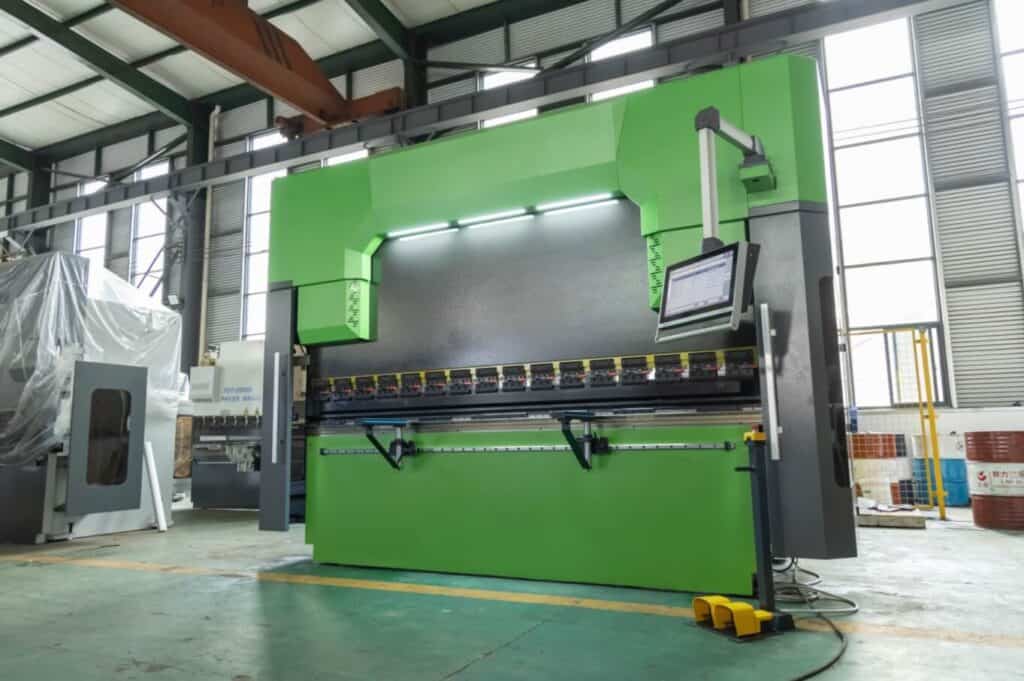
One-Stop Guide to Hydraulic Press Brake: Working Principle, Bending Process & Applications
-1024x768.jpg)
10 Common Press Brake Air Bending Problems: Causes, Troubleshooting, and Fixes
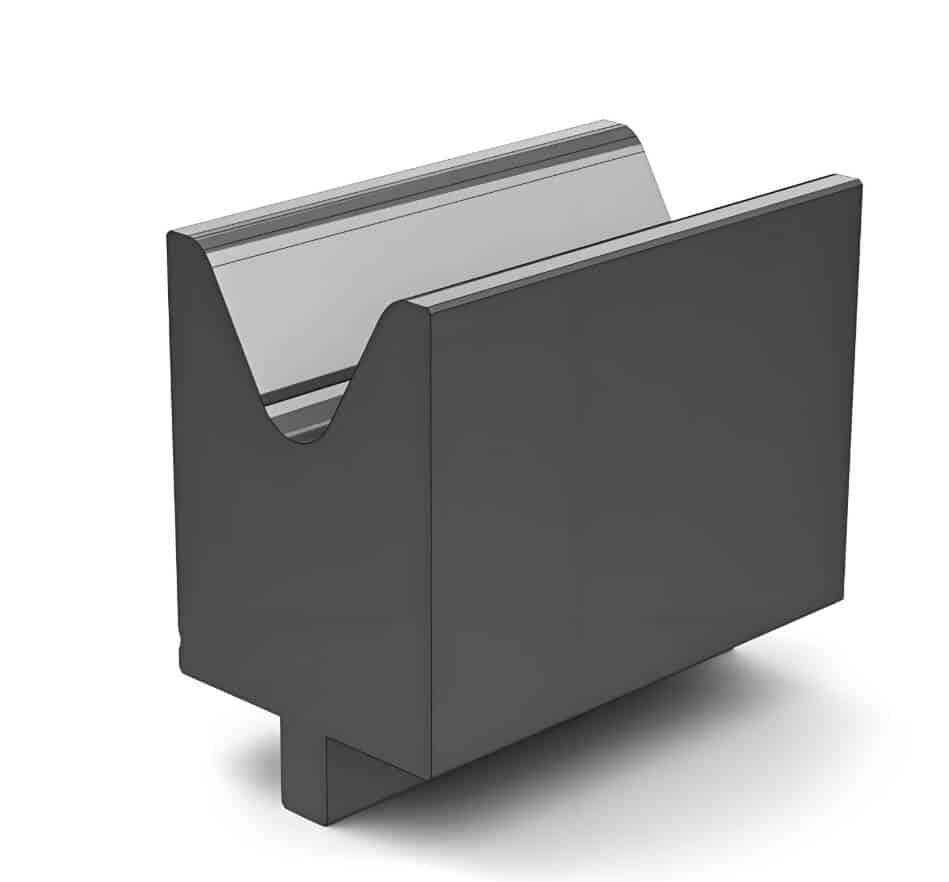
Press Brake Dies Explained: Types, Applications, and golden rule of selection
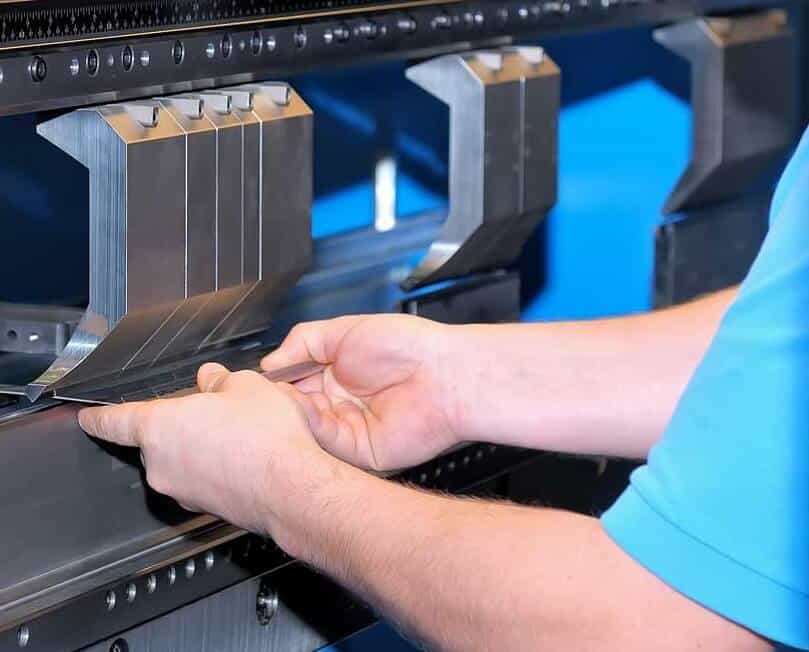
Ultimate Guide to Press Brake Punches: Eleven Types, Materials, Selection, and Maintenance
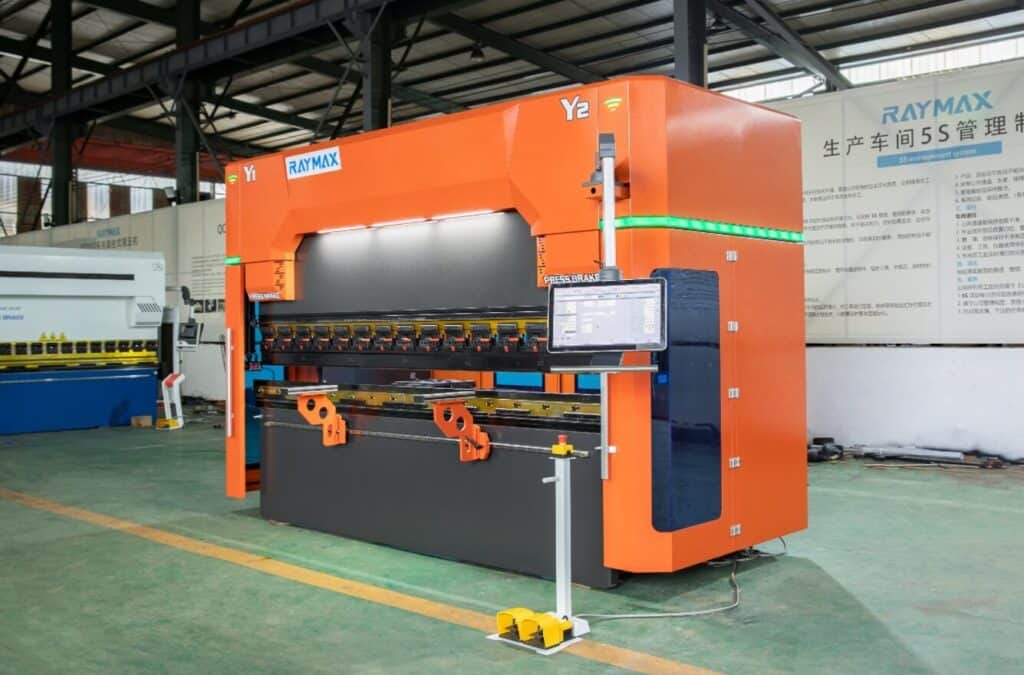
The Ultimate Guide to Brake Press metal Material Thickness
a guide to 11 Types of press brake bending process
What Is a Sheet Metal Press Brake Machine? Working Principles, Bending Techniques & Buying Guide
How to Use a Press Brake Machine for Precise Bending
Post Your Review
Share Your Thoughts And Feelings With Others