

Press Brake Fundamentals: Types, Components, Working Principle, Safety & Maintenance

Francis Pan

Francis Pan

Francis Pan is the Foreign Trade Manager of RAYMAX, with over 10 years of experience in sheet metal fabrication equipment and CNC machinery. He has worked closely with manufacturers worldwide on press brakes, fiber laser cutting machines, fiber laser welding machines, and practical production-oriented metal processing solutions.

Top Guidelines

Table Of Contents

Stay in the the loop

Subscribe To Our Newsletter

Introduction

In the modern metal processing industry, the press brake is a widely used piece of equipment. It enables precise multi-angle bending and complex forms in sheet metal for steel plate, aluminum, stainless steel and other materials to meet drawing requirements. It is widely used in automobile, household appliances, construction, aviation and other manufacturing industries. Mastering the basic knowledge of press brake is very important for newcomers and experienced operators. This article will deeply discuss the type, working principle, operation mode and common applications of the press brake, and lead you to understand the press brake in an all-round way.

What is a press brake?

definition of press brake

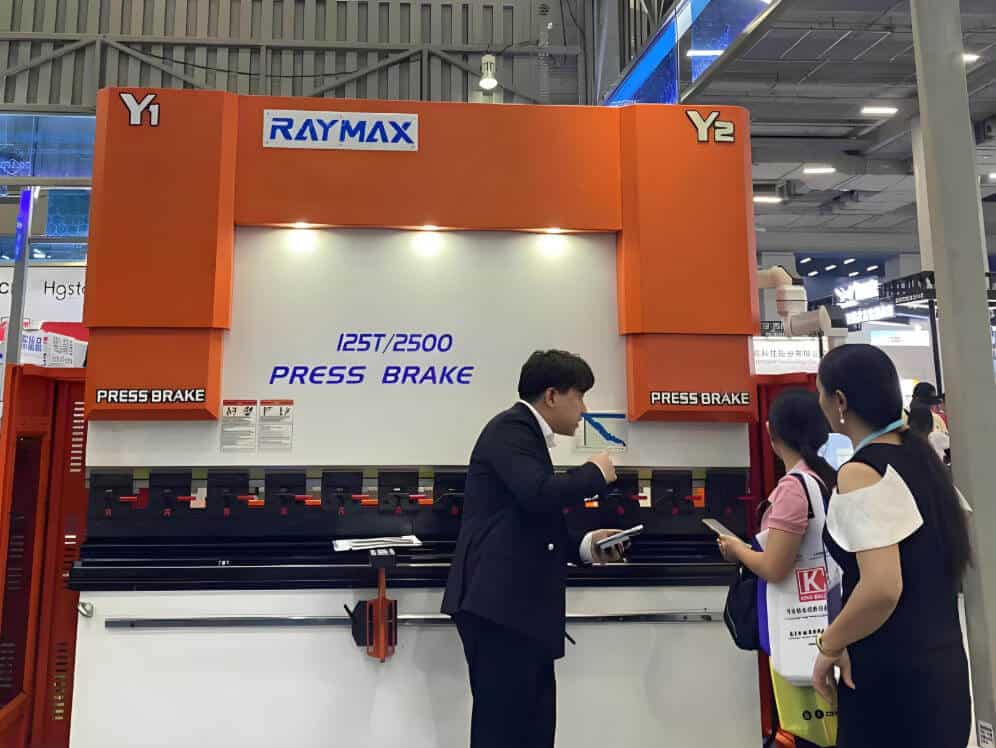
Press brake is a kind of equipment that will exert strong pressure on the metal plate to make it bend, and achieve the required bending angle and shape through the tool. Common press brakes include hydraulic press brake, mechanical press brake and electric press brake.

working principle of press brake

The working principle of the press brake can be divided into five steps. The core is to bend the metal plate into the shape we want by precisely controlling the force and action.
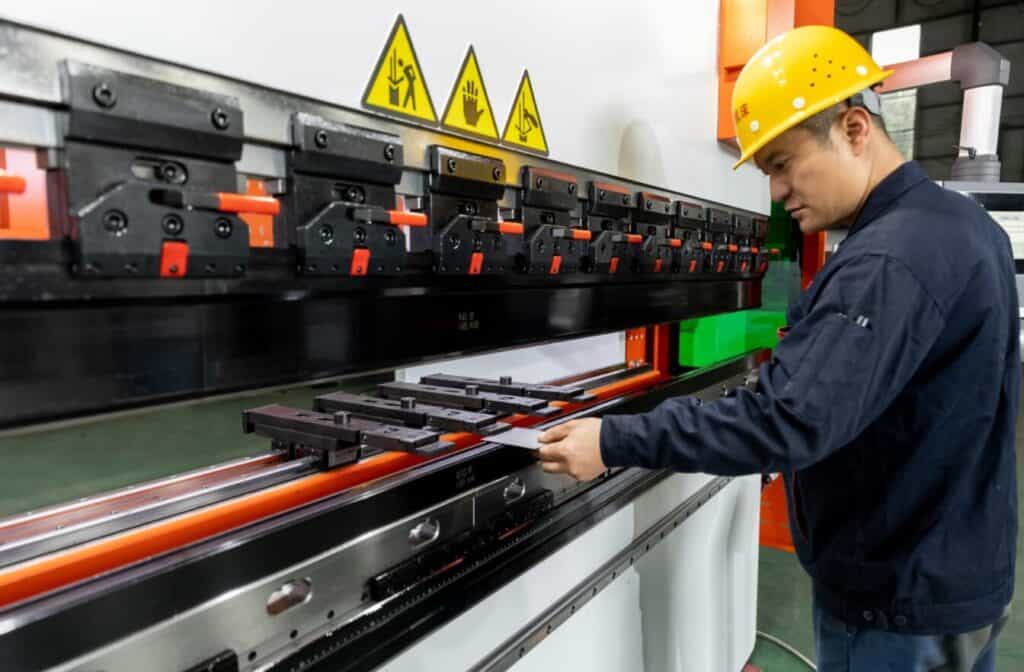
  • Material placement: First, the operator places the metal plate to be processed on the workbench of the press brake and aligns it with the back gauge to ensure that the metal plate will not move during the bending operation and ensure the bending accuracy and dimensional consistency.
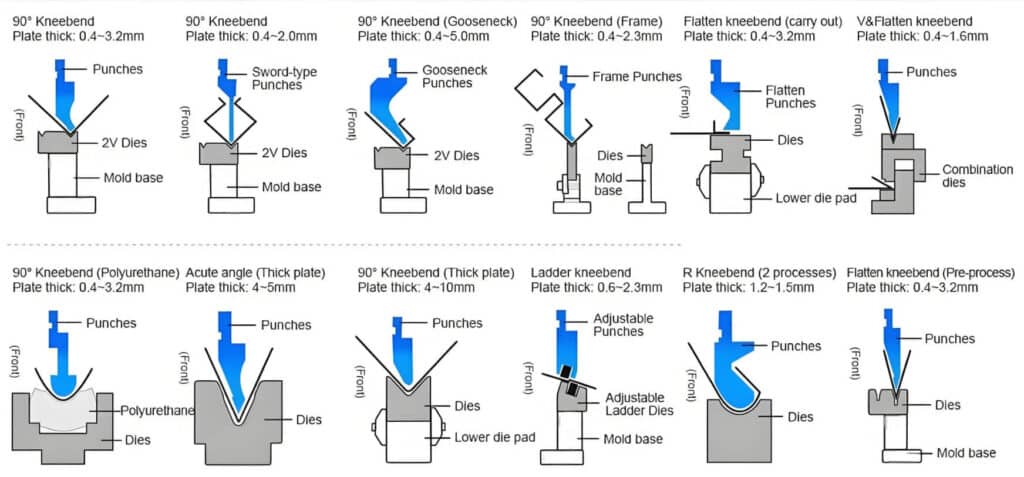
  • Tool selection: Secondly, according to the required bending shape and angle, select the appropriate punch (upper tool) and V-die (lower die). The shape and size of punch and V-die directly affect the shape of the final product.
  • Positioning and support: Third, after the positioning and tooling selection are completed, the machine will accurately position the metal sheet through the back gauge. If necessary, it will be supported with front supports or sheet followers when needed, and the pressing / clamping mechanism will be equipped for the specific process.
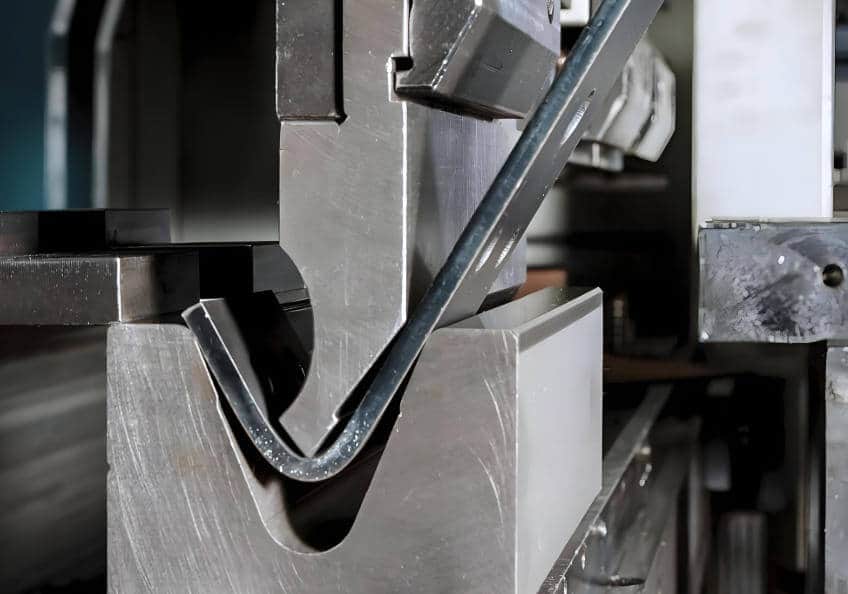
  • Force application: Fourth, the punch moves downward, and the metal plate clamped between it and the V-die is pressed into the V-die opening by applying pressure to make it bend and deform. The pressure application speed, stroke end point and holding time directly determine the angle, appearance and material properties of the finished product, which can be accurately controlled by the CNC system.
  • Complete bending: Finally, when the required bending angle is reached, the punch stops and returns to its original position, and the sheet metal is unloaded and removed from the V-die. The operator shall take out the metal parts after bending, and conduct angle and dimension inspection to ensure that they meet the design requirements.
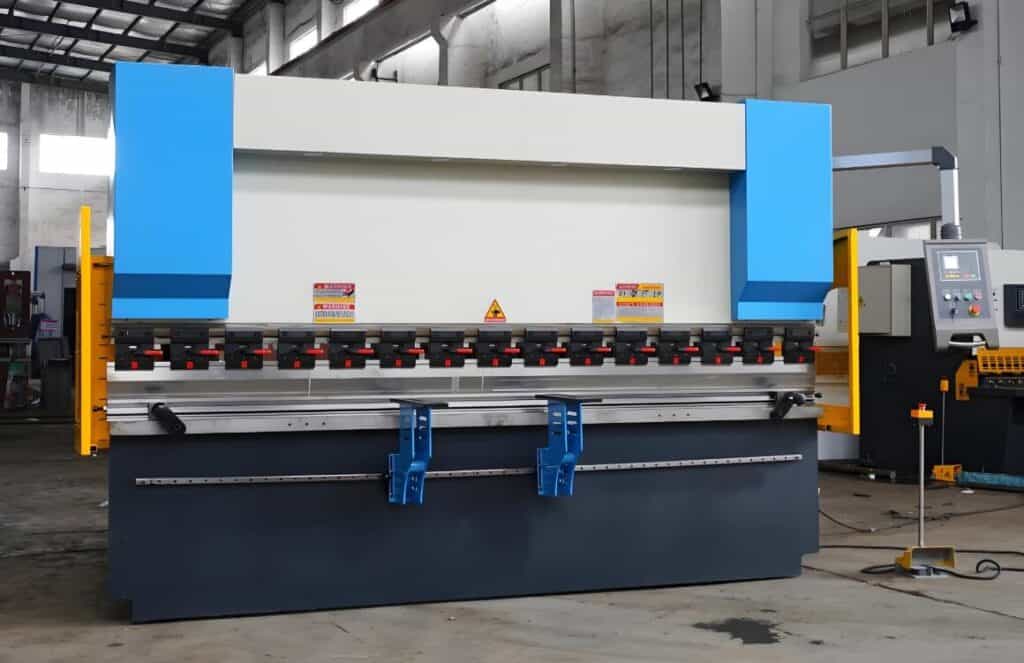
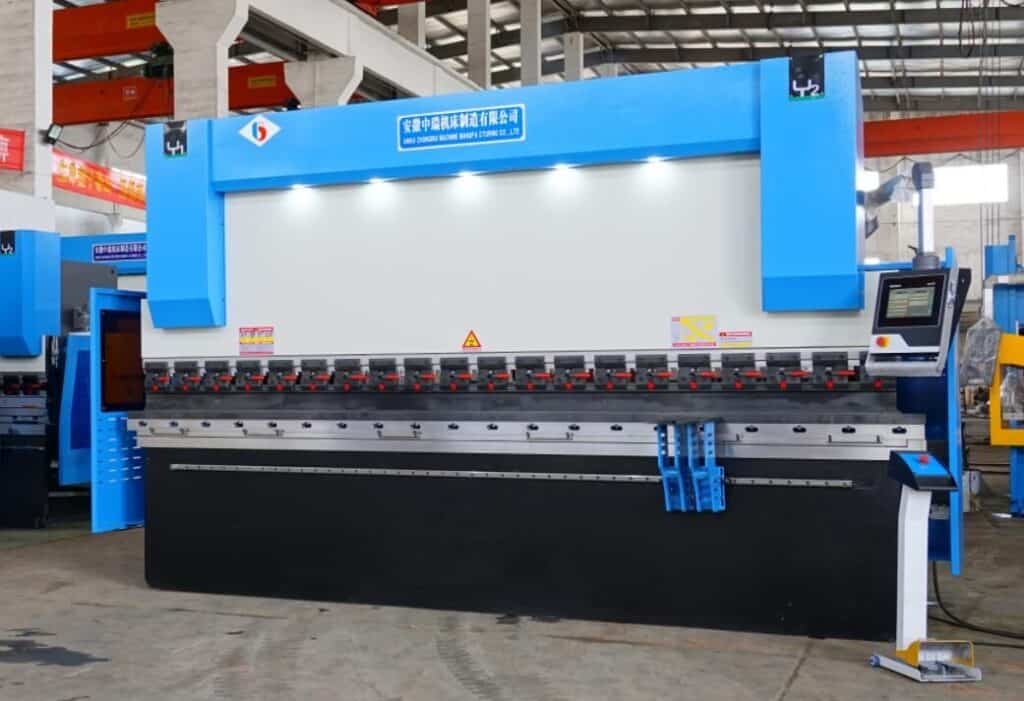
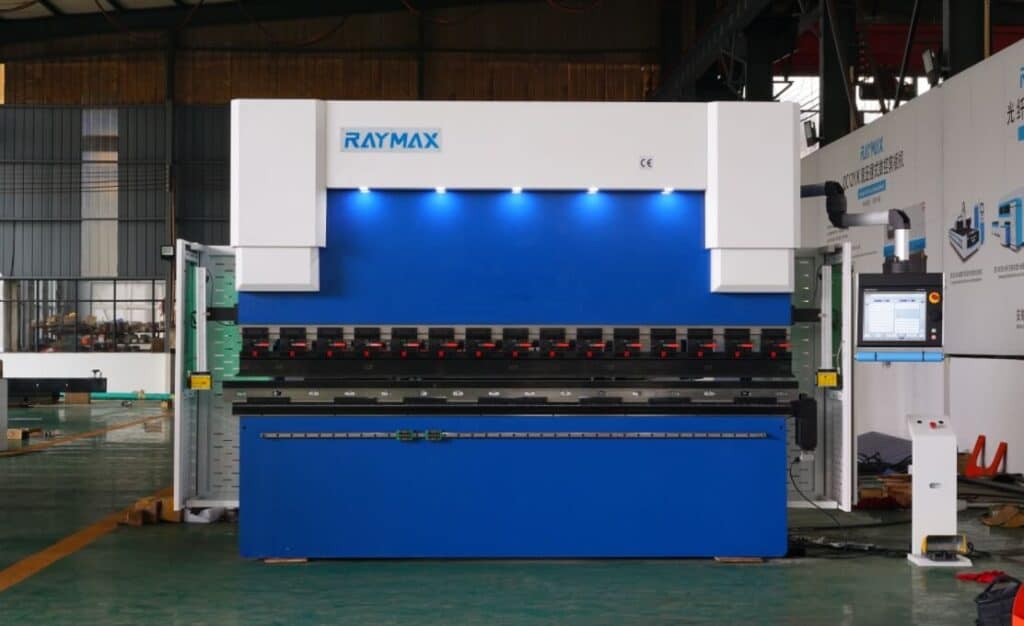
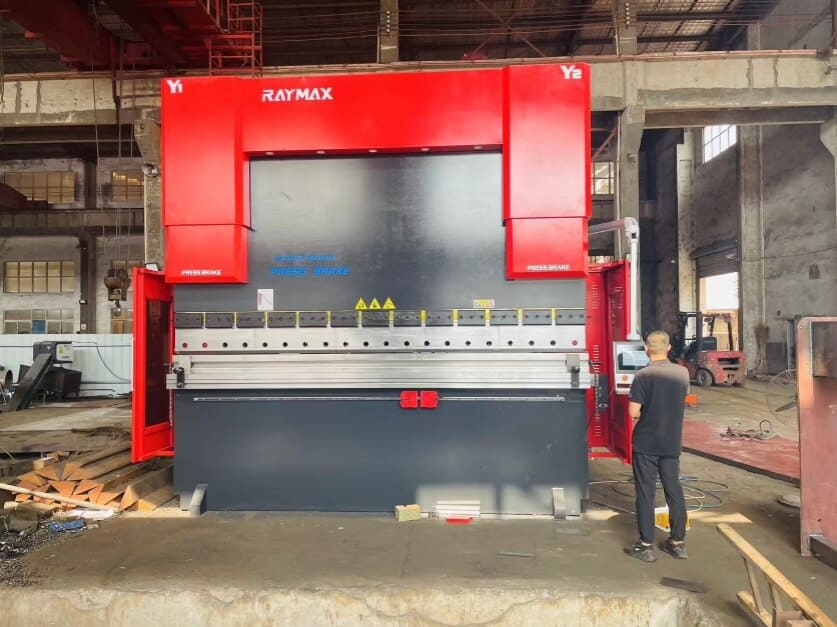
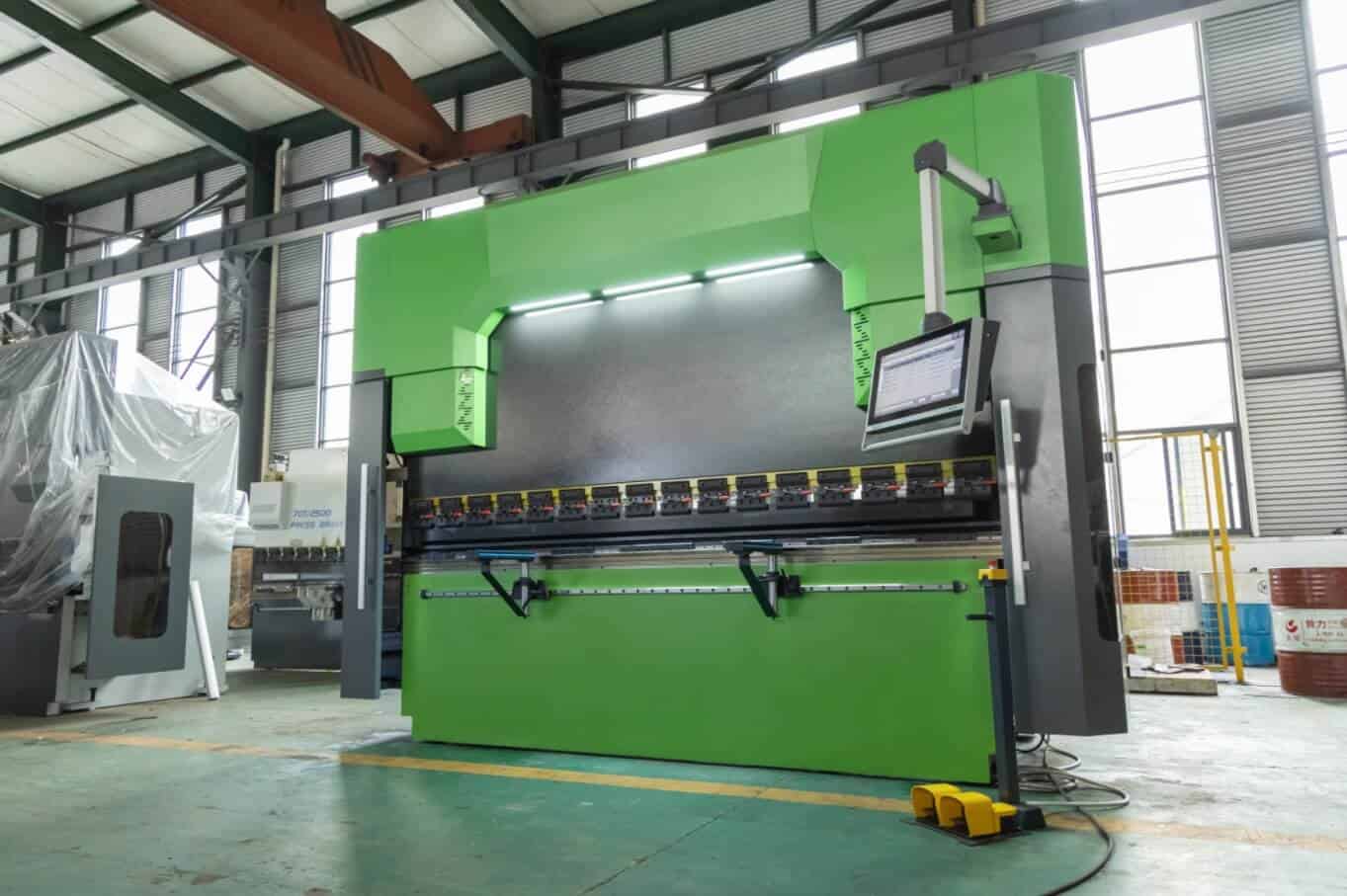
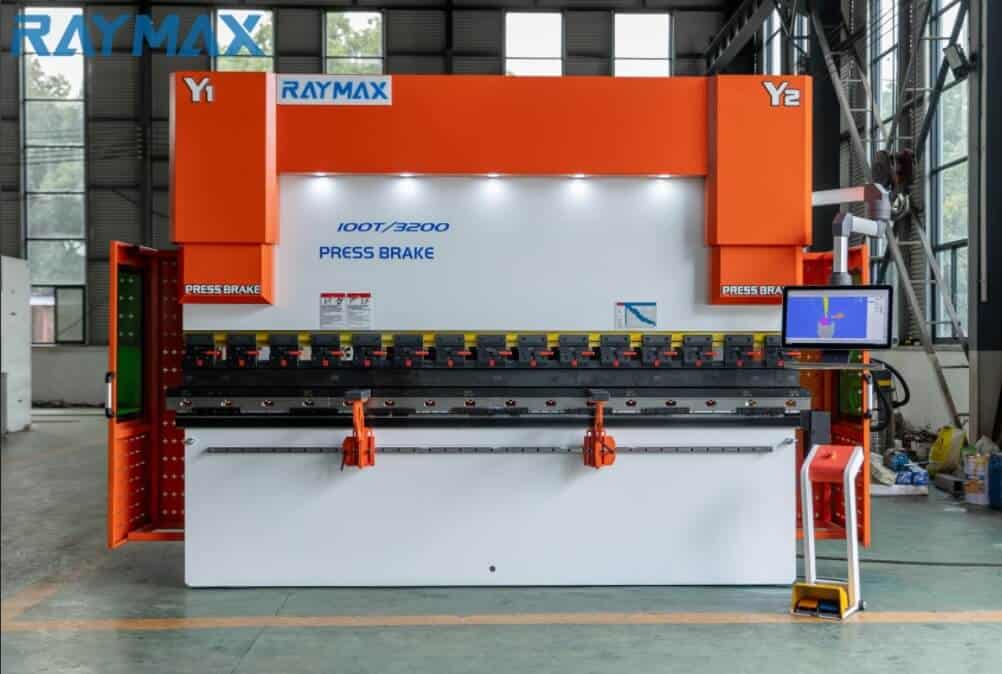
250-ton x 10-foot 4 axis cheap CNC hydraulic sheet metal press brake machine for sale

Main Components of a Press Brake

Frame

The frame is the main structure of the whole press brake. It plays the bearing role of the foundation, can bear huge forces, and ensures the stability and strength of the equipment.

Tooling

The press brake tooling mainly includes the punch and the lower die.

  • Punch: also called upper tool, it is responsible for applying pressure to deform the metal plate. The shape and size of the punch will affect the bending angle and radius of the metal plate. Therefore, we need to select the appropriate punch after determining the type, thickness and required bending angle of the material.
  • Die: the die is usually a V-die, which is used to support the metal material and ensure that the material maintains the correct shape during bending. The die usually cooperates with the punch to complete the bending operation.

Back Gauge

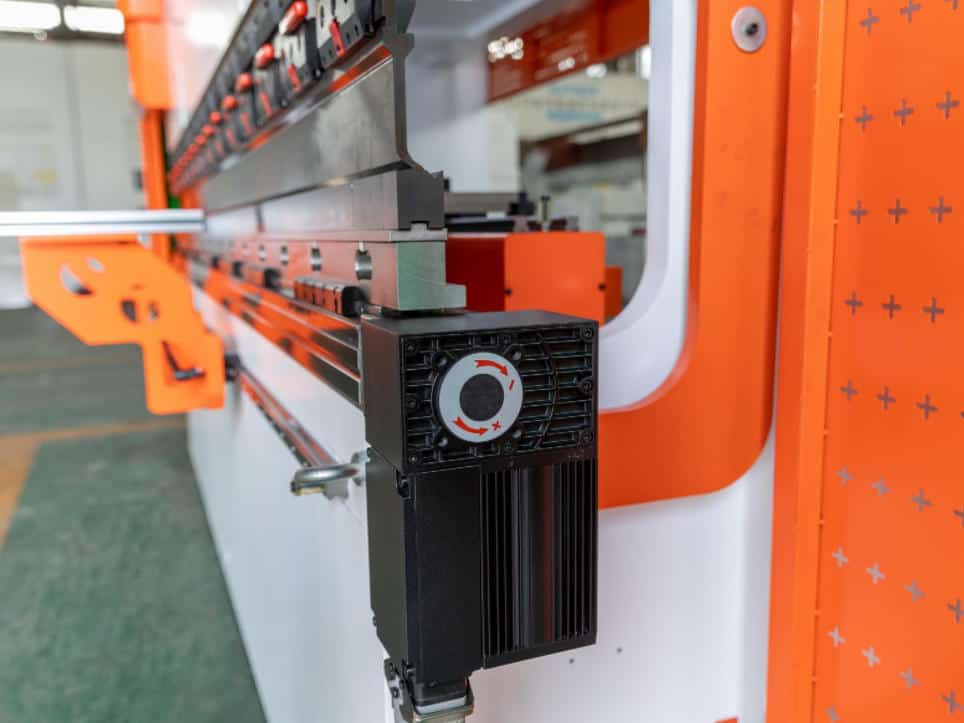
It is used to accurately position the metal plate before bending. It can ensure that the workpiece always maintains the correct position during the bending process and maintain the accuracy and consistency of bending.

Operation panel and control system

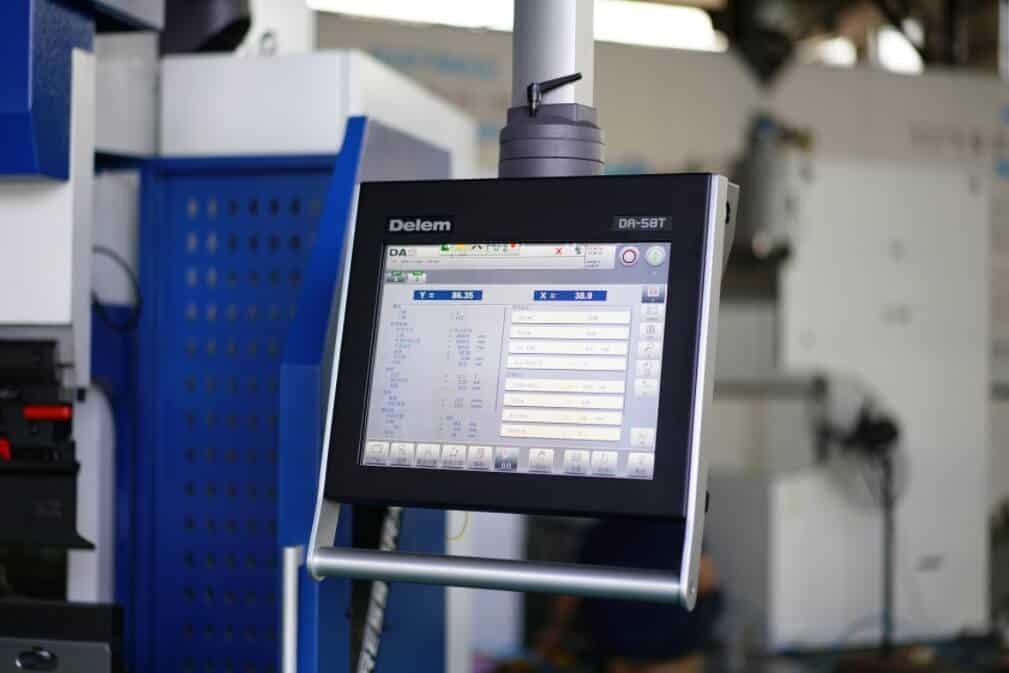
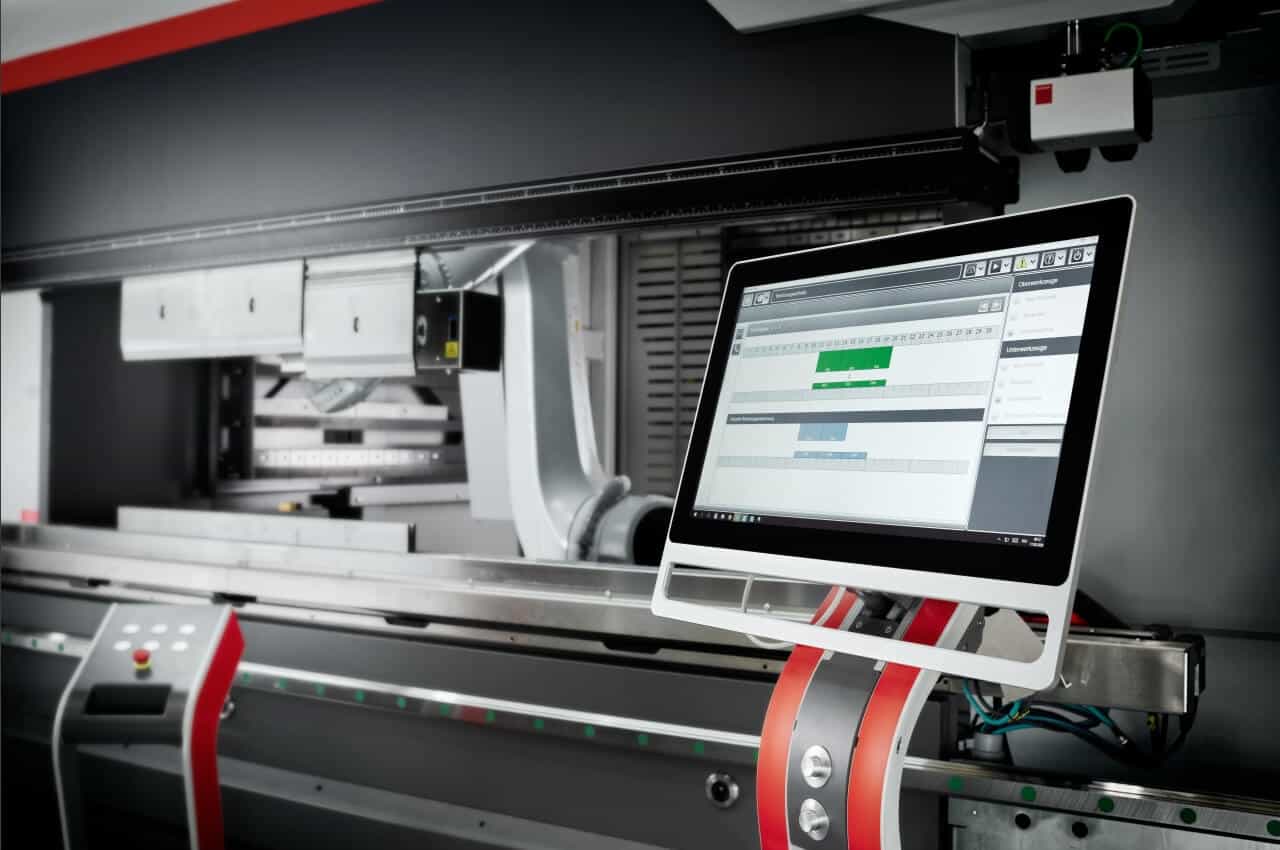
The operation panel is the key interface between the operator and the press brake, which usually includes buttons, touch screens, etc. The modern press brake is equipped with CNC control system, which can accurately control the parameters such as pressure, angle and back gauge position, improve the flexibility and accuracy of operation and reduce the error in manual operation.

Difference between hydraulic system and electric system:

  • Hydraulic system: the hydraulic oil is mainly used to exert force in the bending process, which can realize continuous output under large pressure. It has a wide range of work and is suitable for bending operations of various thicknesses, hardness and tonnage.
  • Electric system: driven by motor and transmission mechanism, so it is more energy-saving. And the response speed is fast. It is suitable for batch processing occasions with high efficiency, precision and frequent type change.

Ram

It is the key component to exert force on the metal plate. Through the vertical movement of the ram, the movement of the punch is controlled to bend the plate to the required angle. Its accuracy and stability directly affect the quality of bending.

Workbench / bed

The operating platform of the machine plays a role of positioning and supporting the metal sheet to be bent. The design and material of the workbench will directly affect the accuracy and stability in the bending process, so it should have strong rigidity and flatness.

parts

effect

What is most affected

Common issues

Rack frame

Load bearing and deformation resistance to ensure rigidity

Long part consistency

Insufficient rigidity → intermediate angle deviation

Ram

Drive the punch to press down

Angle consistency / repeatability

Abnormal clearance / synchronization / parallelism

Bed

supports the V-die and provides a reference surface

Straightness / stability

Flatness and deflection amplification error

Tooling

Determine angle / inner r/ interference

Internal r/ surface / crack risk

Wrong selection of V-die opening / radius → large springback or cracking

Back gauge

Positioning bend dimension datum

Dimensional consistency

Loose / worn → size drift

CNC system

Program + compensation + axis position control

Angle stability / efficiency

Inaccurate compensation table → angle drift

Drive (hydraulic / electric)

Provide power and response

Stability / energy consumption

Hydraulic oil temperature / leakage; Servo parameters / transmission

Safety device

Anti pinch and compliance

Work safety

Light curtain / emergency stop shall be tested regularly

Note: To better understand the main components of a press brake, you can also read our detailed structural components guide.

Types of Press Brakes

According to the driving mechanism, the type of press brake can be divided into hydraulic press brake, mechanical press brake and electric press brake

hydraulic press brake

Hydraulic press brake is the most common type of press brake. It provides pressure through the hydraulic system. It has strong load capacity and high precision. It is widely used in various production environments that require high tonnage and mass production.

Mechanical Press Brake

Mechanical press brake adopts mechanical drive system, which is characterized by high speed and low cost. Compared with hydraulic press brake and electric press brake, its precision is low, so it is suitable for relatively simple processing tasks.

Electric press brake: energy saving and efficient

The electric press brake is driven by motor, which has higher operating efficiency and precision, and is suitable for precision machining with high requirements. Moreover, the electric press brake only consumes power when the ram moves. Therefore, compared with the hydraulic press brake, the electric press brake consumes less energy and is quieter and cleaner during operation.

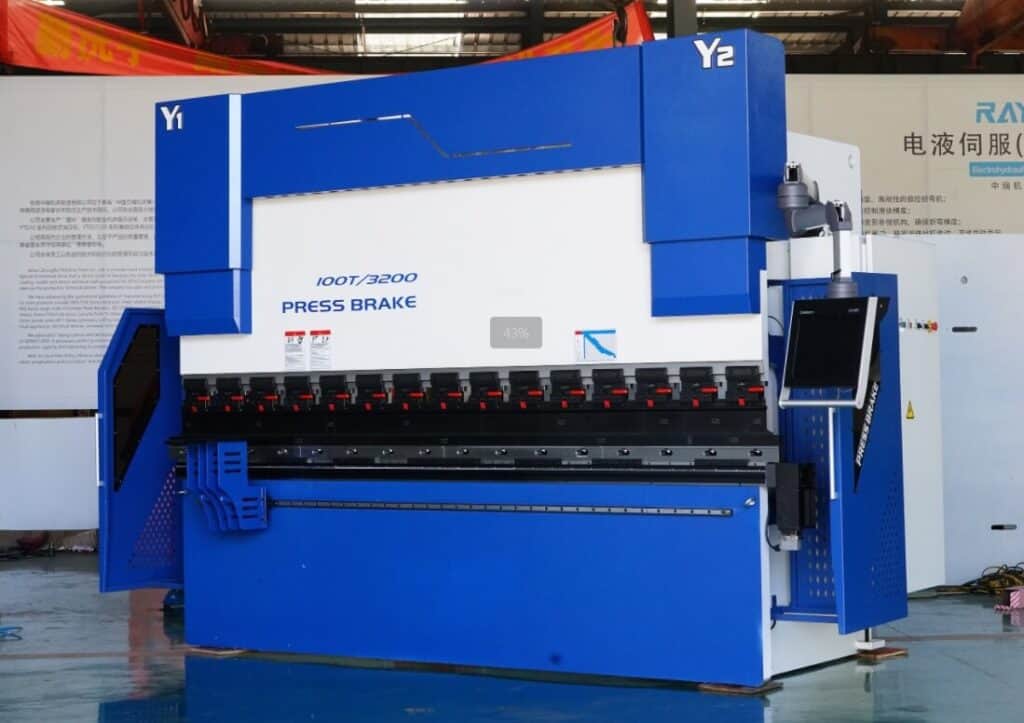
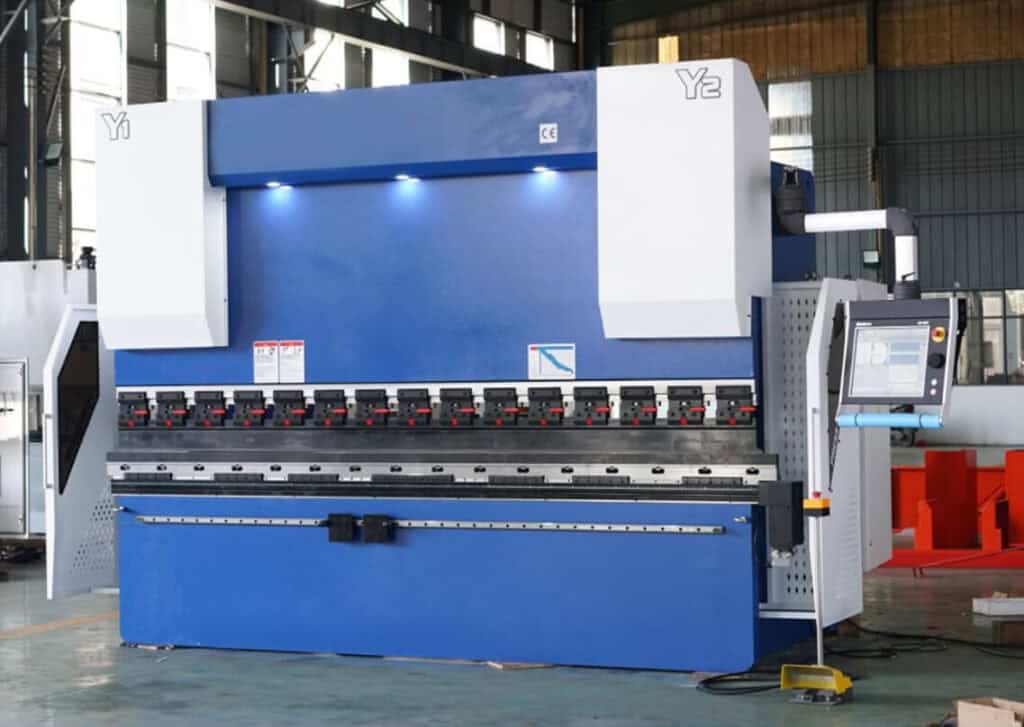
RAYMAX 110 120 ton x 4 foot 3 axis Small CNC hydraulic Metal Brake Press For Sale

How to Set Up a Press Brake

Setting up the press brake is an important prerequisite to ensure its efficient operation. The following is the detailed setting process:

Tooling selection and installation

First of all, we should set the appropriate punch and V-die according to the required bending shape and angle. During installation, ensure that they are properly placed and firmly fixed to avoid displacement during processing.

Adjust the back gauge position and parameter settings

Secondly, we need to adjust the position of the back gauge according to the size of the material and the bending requirements to ensure the bending accuracy and consistency. Then input the required parameters, such as bending angle, pressure, etc.

Testing and adjustment

Finally, before formal processing, we need to test the sample first, and adjust the die position and parameters according to the actual bending effect, until the best effect is achieved.

Press Brake Bending Techniques

Introduce common bending techniques

In the operation of press brake, common bending technologies mainly include:

  • Air bending: the punch presses the plate into the V-shaped die, but the plate usually does not fully fit the bottom of the die, but forms a three-point contact (die opening on both sides + punch), and obtains the required angle by controlling the pressing depth. The same set of V-die opening can realize multiple angles, with strong versatility and relatively less die wear; However, the springback is more obvious, and it is usually necessary to ensure the angle consistency through CNC angle compensation or trial bending correction.
  • Bottoming: the punch presses the sheet metal deeper into the V-die (near full contact). This bending technology has smaller springback and better angle consistency, but tooling stress is higher (higher tonnage and more wear). It is generally used in occasions where the material is hard or high precision is required.
  • Coining: make the material produce deeper plastic flow in the bending area with higher tonnage, so that the angle is more stable, the springback is minimum, and the inner radius is closer to the punch radius. The disadvantage is that the tonnage demand is large, and the stress and wear of the die are higher. It is mostly used in the working conditions with high requirements for angle consistency or obvious springback.

(Note: different materials have different springback, so CNC needs angle compensation / trial bending correction. )

project

Air bending

Bottoming

Coining

Forming characteristics

Incompletely sticking to the bottom, controlling the angle by pressing depth

Near full contact with the V-die

High tonnage “imprint” plastic flow

Springback

Large (compensation / test bend required)

small

minimum

Tonnage demand

low

Medium high

highest

Angular consistency

Medium (greatly affected by material batch)

high

highest

Die stress / wear

less

more

maximum

Typical applications

Most common: multi variety change / conventional sheet metal

Pursuit of consistency / hard material

Extremely high precision / obvious rebound condition

(Note: the actual selection needs to combine the material strength, plate thickness, bending length, V-die opening size, accuracy target and equipment tonnage margin; It is recommended to make a test bend and lock the compensation value before mass production. )

Factors affecting the selection of bending technology

The following factors should be taken into account when selecting a suitable bending technique:

  • Material type and thickness: in terms of material type, carbon steel, stainless steel, aluminum and other materials have different hardness and suitable bending methods. For example, the bottoming is more suitable for the bending of harder materials; In terms of thickness type, different thickness materials have different bending techniques. For example, air bending is more suitable for thinner materials.
  • Bending angle and accuracy requirements: if the requirements for bending angle and accuracy are relatively high, bottoming and coining are appropriate choices.
  • Production efficiency: air bending is a more suitable choice if high production efficiency is required and rapid mass production is required.

Important technical parameters of press brake

Important technical parameters of the press brake include the following:

  • Pressure capacity and table length: the maximum pressure capacity of the press brake is a key factor to determine its processing performance, which is usually expressed in tonnage. The table length determines the maximum workpiece size that can be machined.
  • Maximum bending angle and working speed: determine the appearance of materials and processing efficiency, which are usually set according to specific production requirements.
  • Press brake repeatability and accuracy: press brake repeatability and accuracy directly affects the quality and consistency of the final product. High precision press brakes are usually equipped with more advanced CNC control systems. The middle angle deviation of the workpiece is common, and the deflection compensation / compensation table is required.

Safety measures for press brake

Press brake safety device

In order to ensure the safety of operation, the press brake is usually equipped with a variety of safety equipment:

  • Emergency stop button: used to quickly stop the equipment operation in case of an emergency, protect the safety of the operator and avoid damage to the equipment.
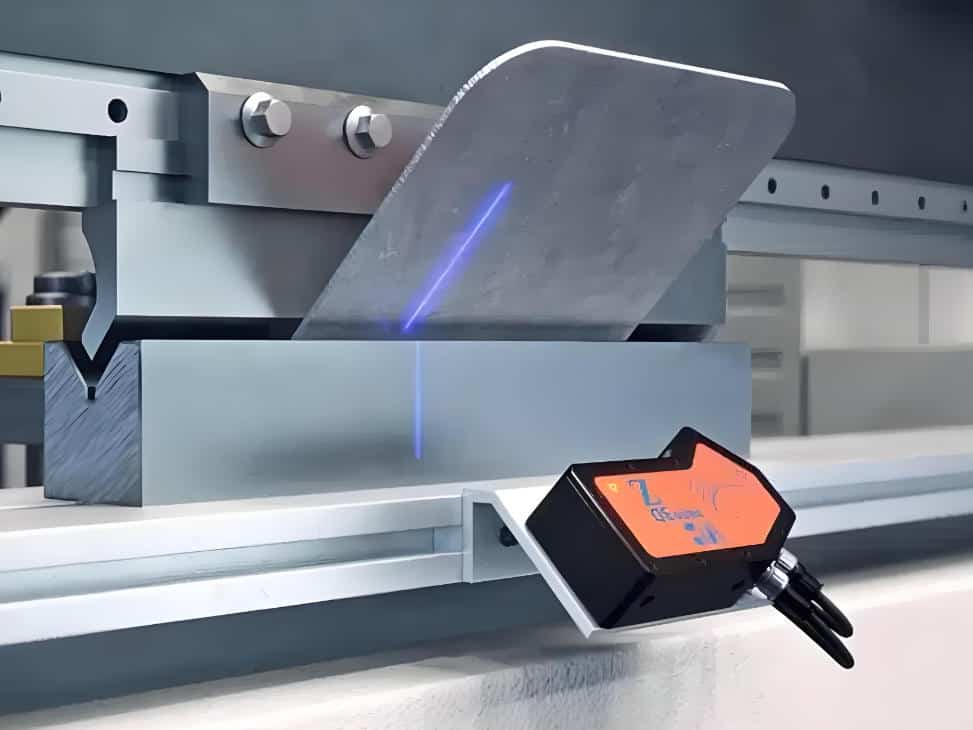
  • Press brake safety light curtain: This is a sensor system, which is mainly used to monitor the position of the operator’s hand. If the system detects the intrusion of the light curtain, the machine will stop immediately to reduce accidental injury.
  • Two hand control: in order to avoid accidents during operation, the press brake usually requires the operator to press two buttons or pull two switches at the same time during startup, so as to ensure that the operator can operate with both hands during operation, increase safety and prevent accidental injury.

Necessary personal protective equipment (PPE)

When operating the press brake, you must wear appropriate personal protective equipment, including:

  • Protective glasses: used to protect the operator’s eyes and prevent metal chips or splashes from entering the eyes and causing injury.
  • Gloves: protect hands from sharp materials. At the same time, protect your fingers from crushing.
  • Safety boots: protect feet and reduce the risk of slipping.

Common operation errors and avoidance methods

Safety is the most important link in the operation of the press brake. Here are some common mistakes and their avoidance methods:
  • Operation error 1: ignoring safety equipment
  • Avoidance: check the equipment before operation to ensure that the emergency stop button and safety light curtain can work normally.
  • Operation error 2: inaccurate material placement
  • Avoidance method: ensure that the material is aligned and stable with the back gauge position, and avoid inaccurate bending results caused by material misalignment.
  • Operation error 3: ignoring maintenance and inspection
  • Avoidance: the operator shall regularly check the condition of the press brake and make maintenance records to reduce equipment failure and operation risk.
Press Brake control system

Common application of press brake

Press brakes are widely used in many industries due to their unique processing capacity and adaptability:

Application examples in different industries (such as automobile, aviation, construction, etc.)

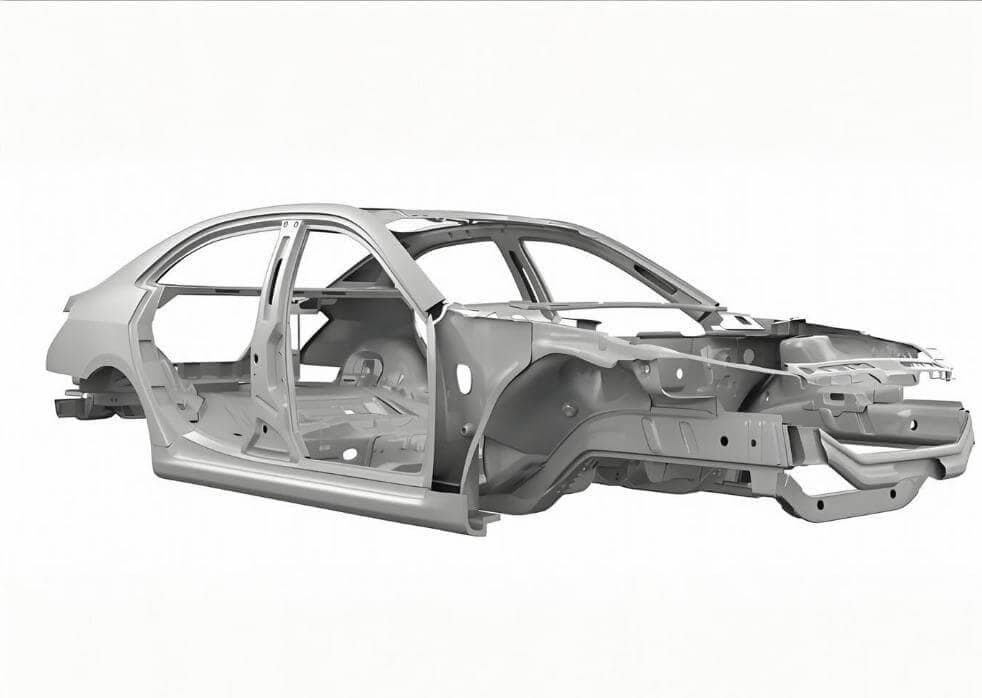
  • Automotive Industry: it is used to manufacture body frame, side door, chassis and other components, which can withstand external impact and extrusion to ensure the integrity and safety of body structure.
  • Aviation Industry: it is used to manufacture wings, base components and built-in frames of aircraft to complete the forming of high-strength and high-precision metals.
  • Construction industry: it is usually used to make supporting structures and connecting parts in metal frame structures to ensure the stability of buildings.

bending task types in actual production (such as V-bend, U-bend, etc.)

V-bend: it is one of the core processes of sheet metal processing. It is widely used to manufacture various metal structural parts, such as car body frame, exhaust pipe support, etc., which need to be loaded and connected at a specific angle through V-bending. Or beams and columns in large structures such as bridges and tower cranes need V-shaped bending parts to enhance stability and bearing capacity.

U-shaped bending: it is mainly used to make U-shaped components, which are commonly used in keels, brackets, door and window frames, etc. the U-shaped structure of U-shaped bending parts can provide good load-bearing capacity and bending stiffness, and facilitate installation and connection.

maintenance of press brake

Regular maintenance can effectively prolong the service life of the press brake and keep it in good working condition.

common maintenance measures

  • Cleaning: at the end of each day’s work, the operator needs to clean the metal chips, residues and oil stains on the equipment to keep the equipment clean.
  • Lubrication: regularly lubricate the moving parts according to the manufacturer’s instructions to prevent wear and failure and prolong the service life of the equipment.
  • Inspection: regularly inspect the hydraulic system (hydraulic oil level, pipeline connection) and electrical system (cable joints, switches) to ensure that there are no hidden dangers such as oil leakage and short circuit.

how to prolong the service life of the press brake

  • Follow the operation manual: the operator shall carefully read the operation and maintenance instructions provided by the manufacturer and strictly follow the steps and precautions in the operation manual.
  • Regular calibration of equipment: set a regular inspection and calibration plan, especially after a long time of intensive work.
  • Monitoring service conditions: take appropriate protective measures when working in high temperature or high humidity environment.

regular inspection and troubleshooting

  • Record maintenance history: record each maintenance, failure and replacement of parts in detail, so as to analyze the service performance of the equipment.
  • Troubleshooting potential faults: establish a standardized inspection process to find and solve potential problems as soon as possible to avoid interruption during equipment operation.

conclusion

It is important for every metal processing practitioner to master the basic knowledge of press brake and understand its operation principle and safety measures. The efficient production and automation of press brakes make metal processing easier and more accurate. Selecting the appropriate press brake and carrying out effective press brake operation can not only improve the production efficiency, but also ensure the operation safety and the quality of the final product (how to choose the right press brake). At the same time, enterprises should pay attention to employee training and skill improvement, and establish good operation specifications and maintenance knowledge. Welcome to contact RayMax. We can provide you with professional technical support and customized solutions.

Ready To Upgrade Your Metal Fabrication Line? ​

Email Us For A Free Consultation.​

Frequently Asked Questions (FAQs)
The press brake is mainly used for the bending and forming of steel plate, aluminum, stainless steel and other metal materials (such as V-bends, U-bends, box/hem bends, etc.), involving many fields such as automobile, aviation, architecture and so on.

A typical press brake is composed of a frame/bed, a ram, a bending die / tooling (punch, V-die), a back gauge, an operation panel, and an electrical system / hydraulic system.

The hydraulic press brake generates pressure through the compression and flow of hydraulic oil in the hydraulic system, and pushes the hydraulic cylinders to drive the ram to press down, so that the punch presses the metal sheet into the die to complete the forming operation.

There are three types of hydraulic press brake, mechanical press brake and servo electric press brake in the market. Enterprises should select the appropriate press brake type according to production needs.

The typical process is: ① select and install appropriate punch and V-die (check alignment and clamping); ② Adjust the back gauge positioning position; ③ Input corresponding machining parameters in CNC (enable angle compensation if necessary); ④ First, make a test bend (first-off) (the first piece), measure the angle and size, and then fine tune the parameters; ⑤ Batch production and in-process inspection according to the plan shall be carried out after confirmation.

It is mainly used to bend various metal materials, such as steel, aluminum, stainless steel, etc. different types of press brakes can meet the processing needs of different materials.

The tonnage is mainly determined by the plate thickness T, bending length L, material strength and the width V of the die V-opening (generally, the smaller the V-opening, the larger the tonnage required; The longer the length, the harder the material, the thicker the plate, and the higher the tonnage). The actual calculation coefficient may vary due to different manufacturers and working conditions. It is suggested that the manufacturer’s tonnage table / calculator shall prevail and a safety margin shall be reserved.

According to the standard practice: ① confirm that the functions of emergency stop and light curtain / protective device are normal; ② Wear PPE (goggles, safety shoes, etc.) as required to avoid loose clothing; ③ Keep hands away from dangerous areas, and use auxiliary tooling / supporting materials when necessary; ④ Perform power off / lockout tagout during equipment maintenance, tool change and commissioning (if applicable); ⑤ Operate according to the equipment manual and local safety regulations.

The essence of bending is that the punch forces the metal sheet to plastic deformation at the die to form an angle. Common processes include air bending, bottoming and coining; Among them, air bending is the most common, but the springback is more obvious. The springback of bottoming / coining is smaller, but the tonnage and tool stress are higher.

Common mistakes include: ① improper tool selection (V-die opening / punch radius mismatch) leads to large springback, indentation or cracking; ② Size drift caused by unstable positioning of back gauge; ③ Batch directly without first piece test; ④ Deflection compensation (crowning) of long parts is not calibrated, resulting in intermediate angle deviation; ⑤ Ignore the safety inspection or pick up and place the workpiece by hand in the dangerous area.

Related product

Related Blog

Post Your Review

Share Your Thoughts And Feelings With Others