


Francis Pan
Francis Pan is the Foreign Trade Manager of RAYMAX, with over 10 years of experience in sheet metal fabrication equipment and CNC machinery. He has worked closely with manufacturers worldwide on press brakes, fiber laser cutting machines, fiber laser welding machines, and practical production-oriented metal processing solutions.
Top Guidelines
-1024x768.jpg)
-1024x768.jpg)
-1024x768.jpg)
-1024x768.jpg)
Table Of Contents
Stay in the the loop
Subscribe To Our Newsletter
Introduction
Still looking for information about sheet metal press brakes? There may be everything you want to know!
This article will introduce you to the definition, working principle and type of sheet metal press brake, teach you how to select the appropriate sheet metal press brake, and end with the answers to common questions to help you get started easily.
what is sheet metal bending?
Definition of sheet metal bending
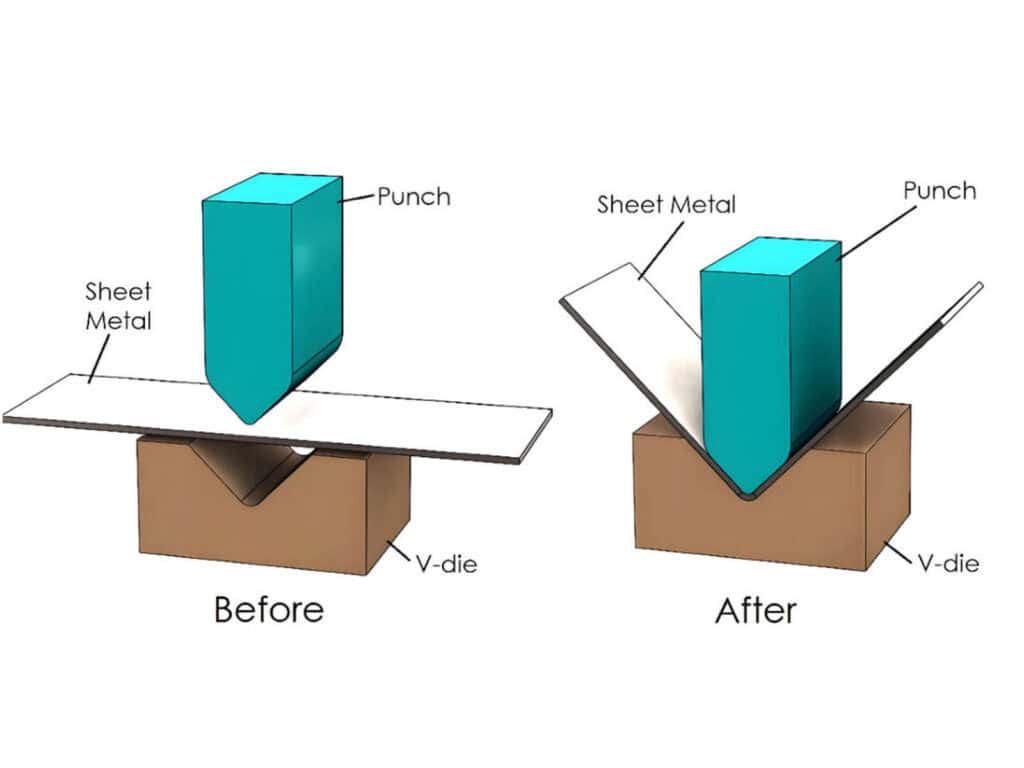
Sheet metal bending is the process of applying external force to metal materials to deform them. This process usually requires a press brake. In the processing process, the metal material will be placed in the die, and the punch will press down to fit the die. The strong pressure will bend the material and deform it into the expected product shape.
other terms of sheet metal bending
There are other terms for sheet metal bending, such as flanging, bending, forming, folding and die bending. Because the application scenarios are different, terms are often used interchangeably.
application of sheet metal bending in manufacturing industry
industries using sheet metal bending
What is a sheet metal press brake?
Definition of Sheet Metal Press Brake
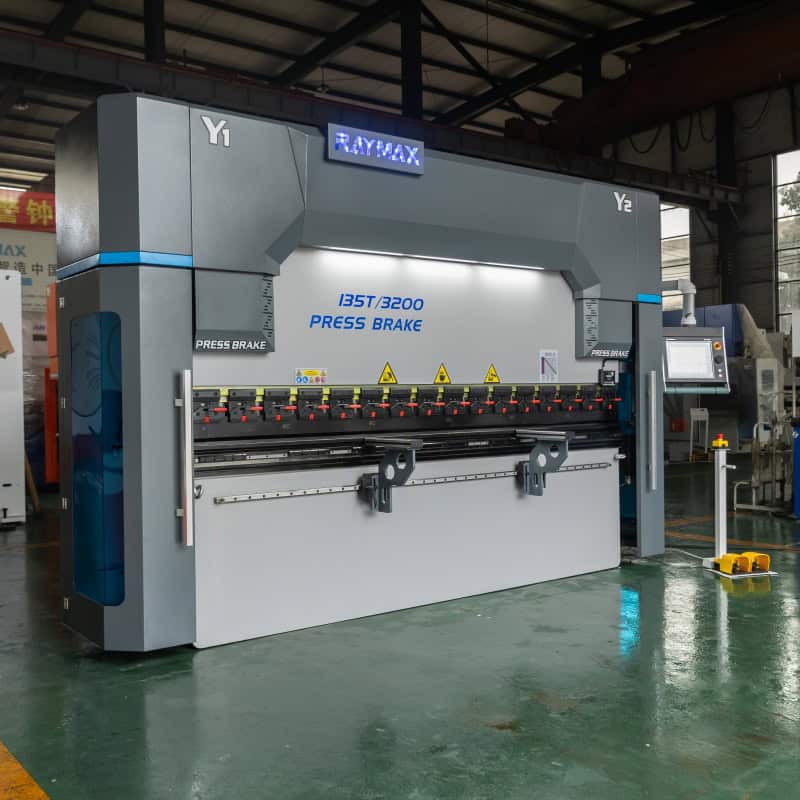
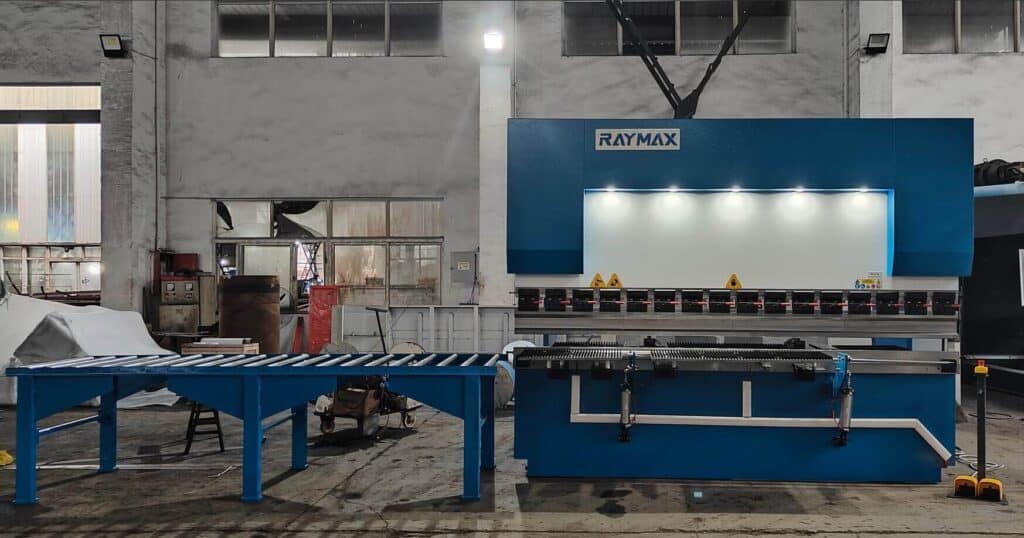
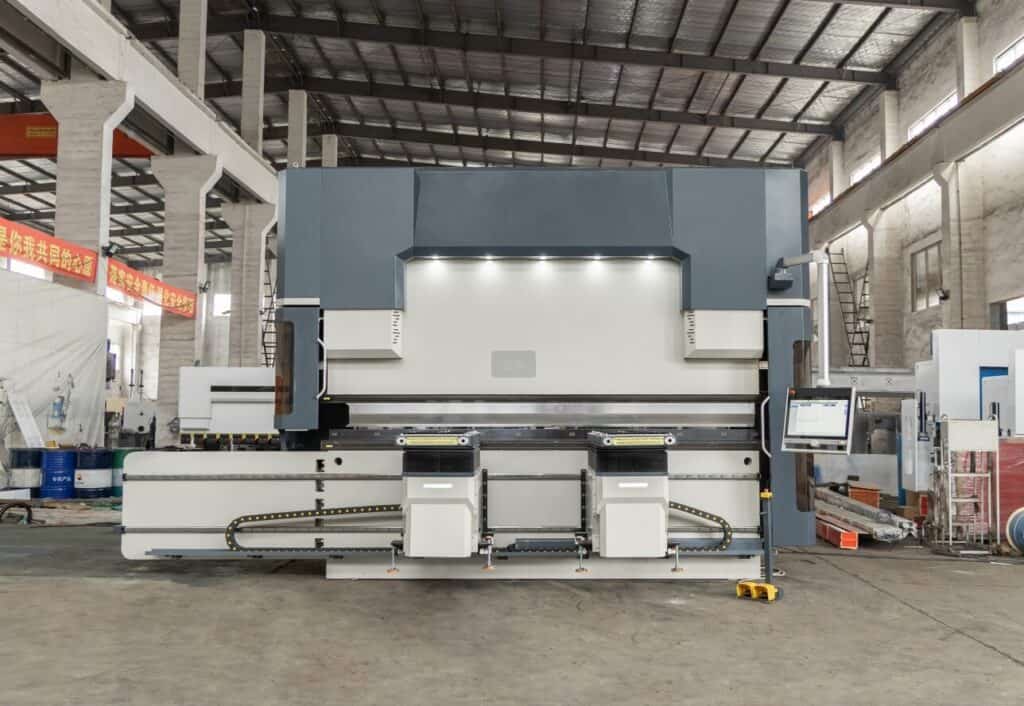
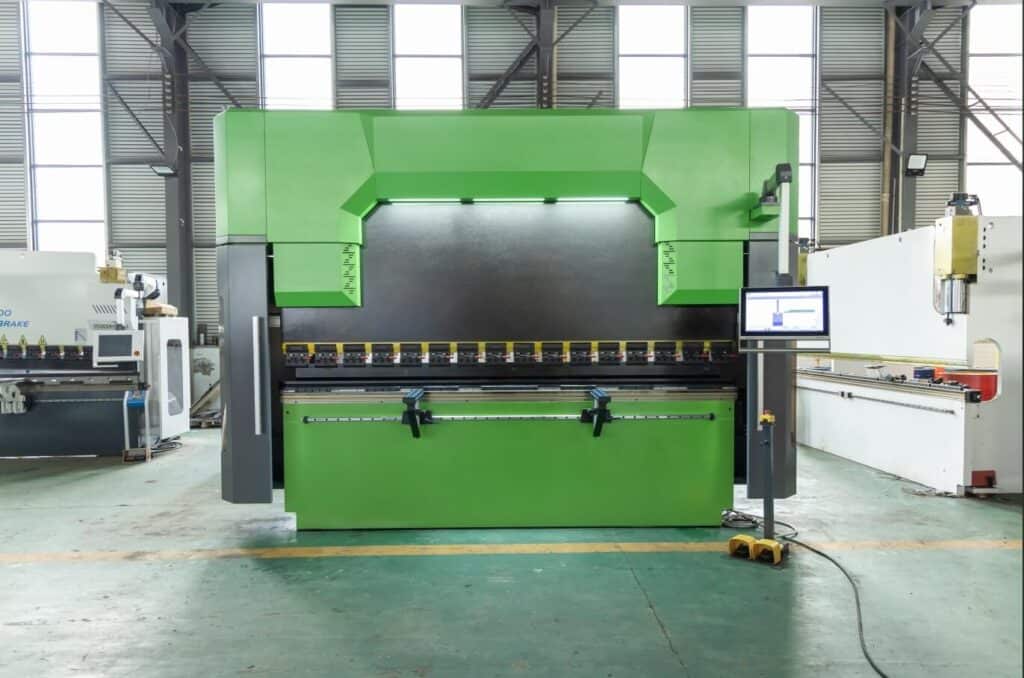
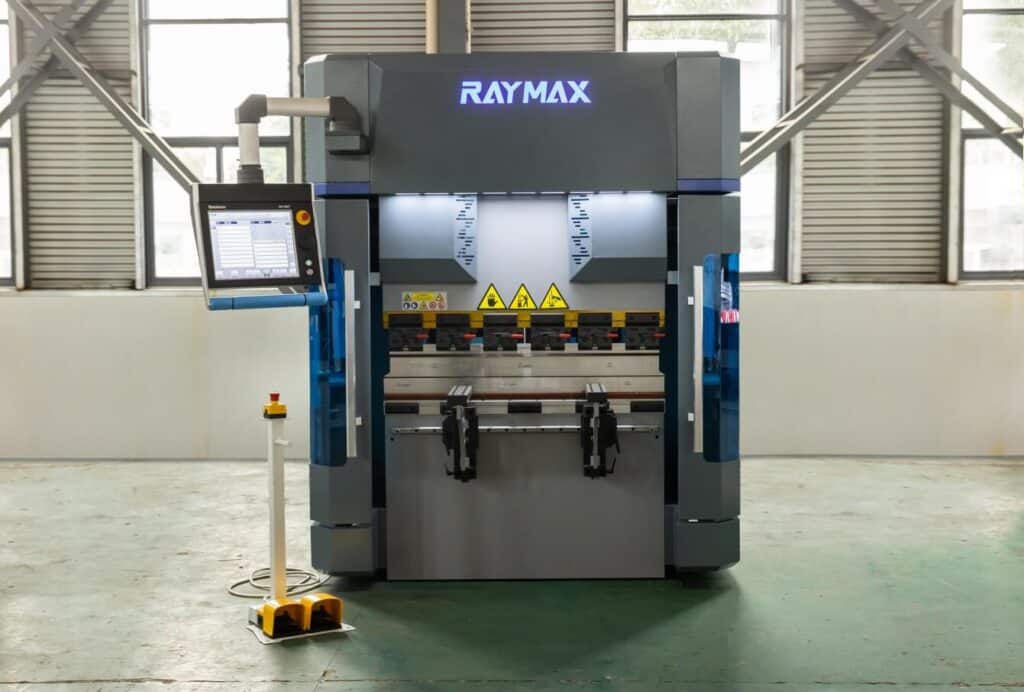
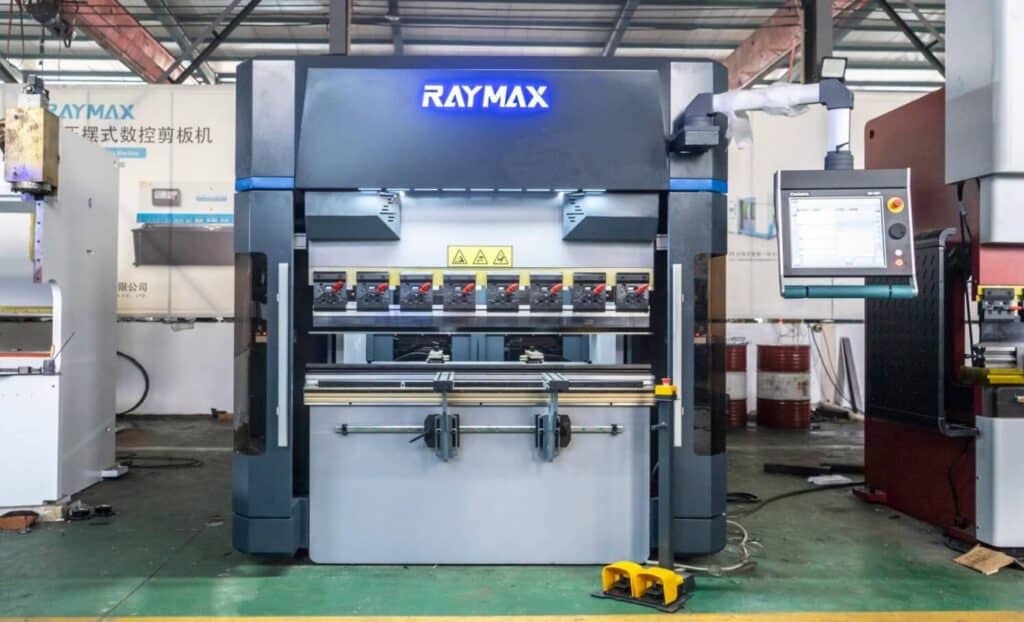
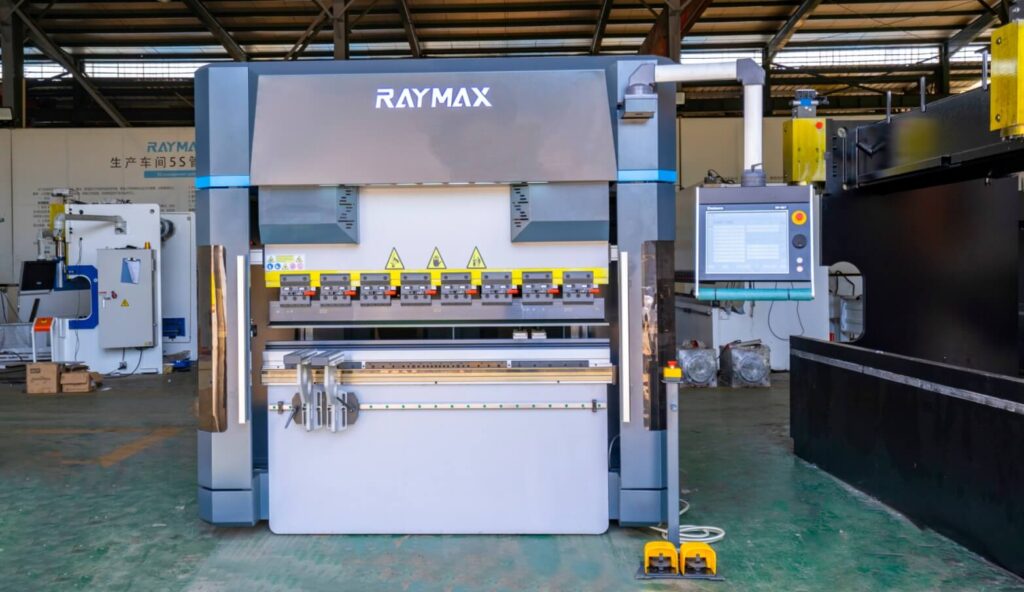
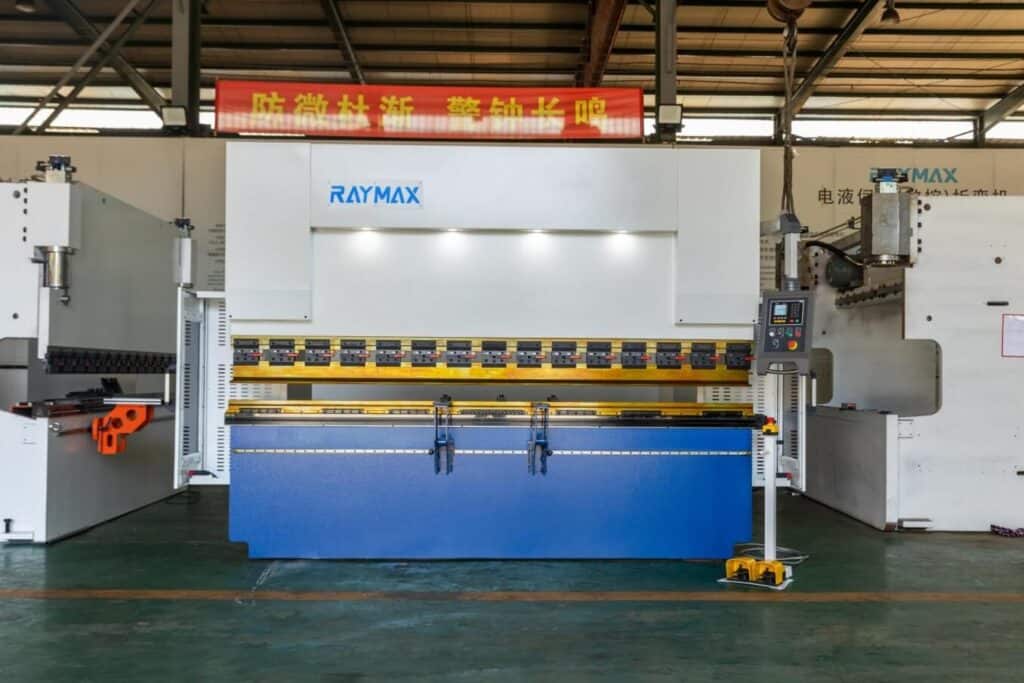
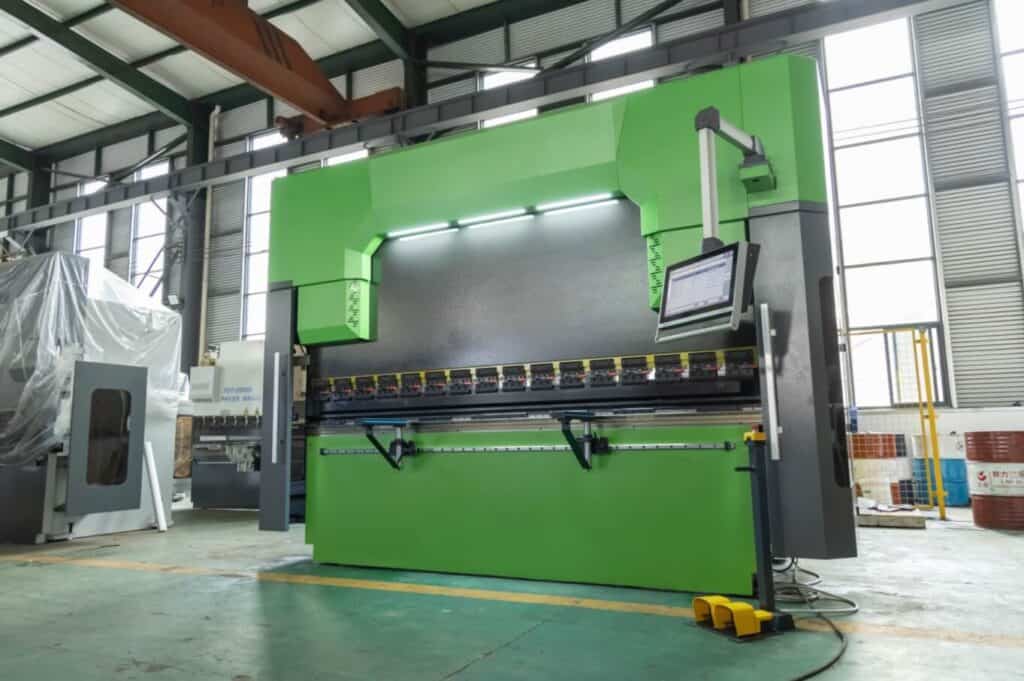
Sheet metal press brake is a device used for bending metal sheets. It applies tremendous pressure to the metal sheet to bend it into various angles and shapes.There are many types of sheet metal press brakes, such as hydraulic, electric, and servo driven.
If you are new to the topic, our press brake fundamentals guide explains the basic terminology, machine categories, and core bending concepts in more detail.
Purpose of sheet metal press brake
To see more real-world press brake applications, you can also read our guide on what a press brake is used for in sheet metal manufacturing.
Working principle of sheet metal press brake
Working principle
Firstly, the metal material is fixed on the workbench, and the upper punch of the machine moves downwards. By applying pressure, the metal material bends and deforms, gradually embedding into the lower die and becoming the shape of the die.
basic process flow of bending
main press brake bending process
The main press brake bending process include air bending, bottom bending and coining.
Working principle
Firstly, the metal material is fixed on the workbench, and the upper punch of the machine moves downwards. By applying pressure, the metal material bends and deforms, gradually embedding into the lower die and becoming the shape of the die.
Air bending:
Press brake air bending is a common bending process. It does not allow the metal to directly fit the die, but allows the punch to squeeze the metal plate into the die without touching the bottom of the die.This technology uses the gap at the bottom for bending, and the depth of punch extrusion determines the bending angle of the metal plate.
The advantages of air bending are:
The disadvantages of air bending are:
Bottom bending:
Bottom bending is different from air bending. There is no gap between the die and the metal material.
In the process of bottom bending, the metal material is completely pressed into the bottom of the die until it matches the shape of the die. The bottom bending has obvious springback, so it often requires more bending force to restore the bending angle.
Advantages of bottom bending:
Disadvantages of bottom bending:
Coining:
Coining is the process of applying great pressure to a metal material to make it perfectly conform to the shape of a die.
Advantages of coining:
Disadvantages of coining:
Mainstream types of sheet metal press brakes in the market
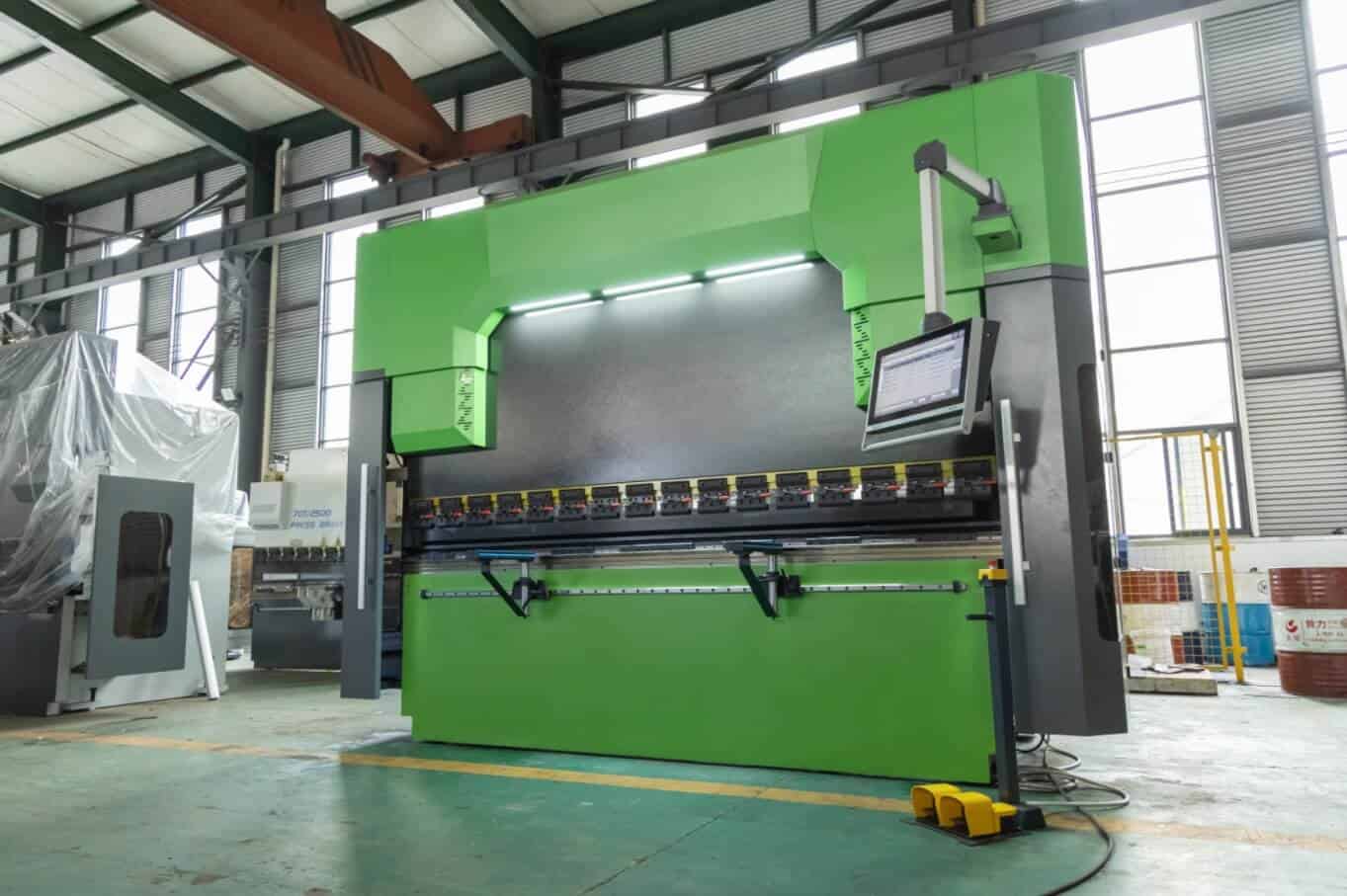
There are many types of sheet metal press brakes on the market, including the following:
Servo hybrid press brake
Servo hybrid press brakes have become quite popular in recent years. It is controlled by a servo pump, allowing the servo motor to operate independently at a stable oil temperature, improving efficiency while avoiding energy leakage and increasing energy utilization.
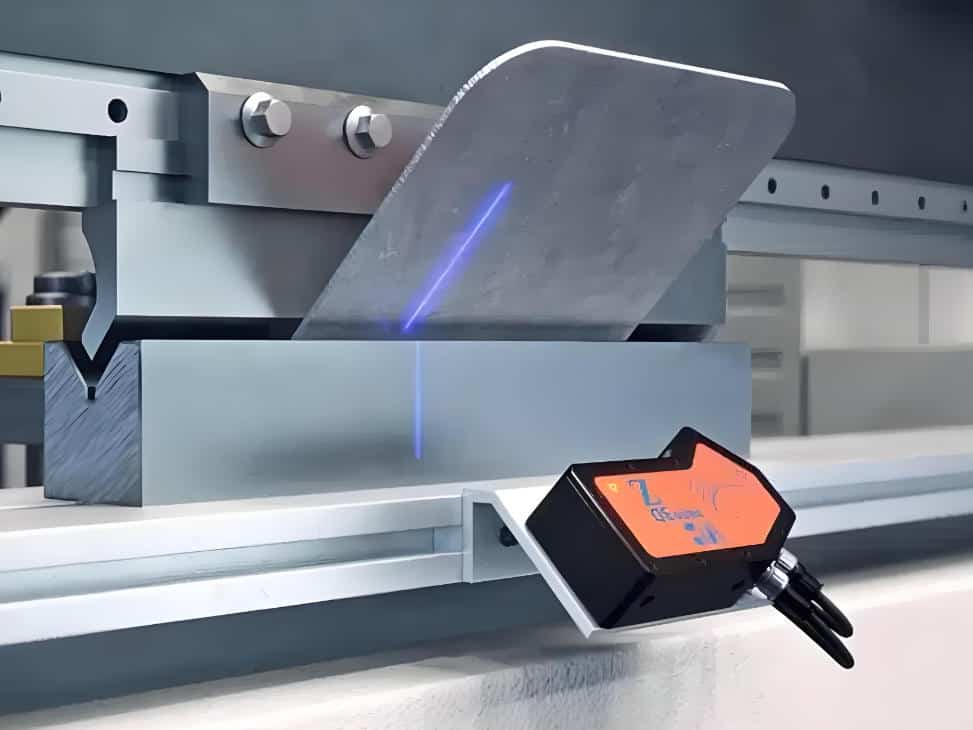
It can also provide real-time feedback and modify bending parameters, thereby improving production accuracy and bending effects, so it is often used in high-precision industries.
Electro hydraulic press brake
The electro-hydraulic press brake is currently the most representative model in the mainstream market. The electro-hydraulic press brake adopts the mode of electric motor driven hydraulic pump, which is conducive to reducing energy consumption and improving production efficiency. Electro hydraulic press brakes are often good at processing heavy materials.
Pure electric press brake
The pure electric press brake is completely driven by electricity, which solves the high noise problem of traditional mechanical operation.
With low maintenance cost and excellent efficiency, it is usually used in low-noise operation and high-precision industries.
Large Tandem Press Brake
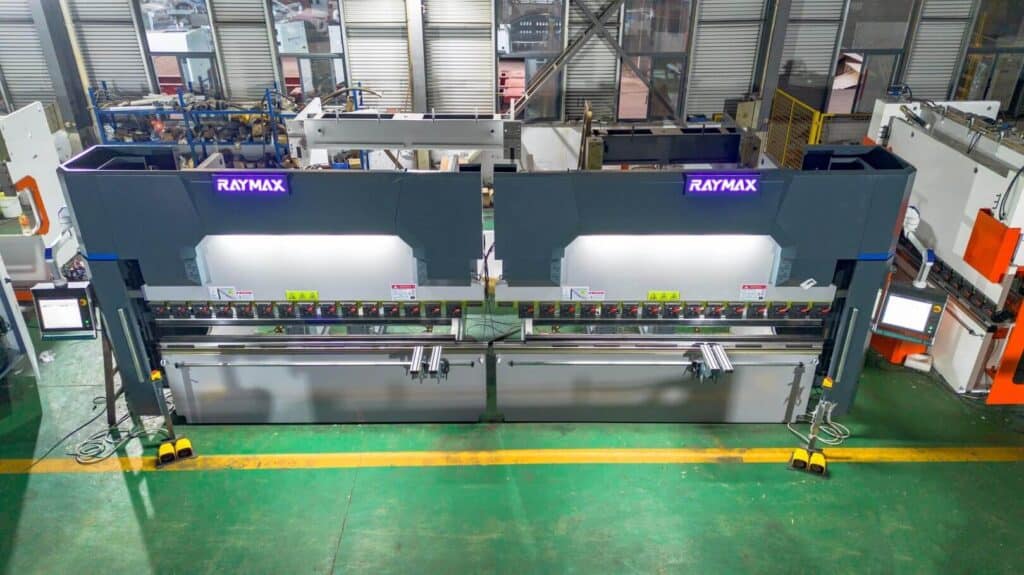
The large tandem press brake is formed by two hydraulic press brakes in series. It has two machines running at the same time to ensure the production speed and efficiency. Large series press brakes are good at processing large and heavy metal plates and are often used to produce large-scale parts.
Automatic robot press brake
As the name indicates, the automatic robot press brake uses robot technology to realize bending. This press brake has high safety performance, can save labor cost and complete efficient processing.
It is good at processing high-precision materials and is often used to produce large-scale parts.
composition of sheet metal press brake
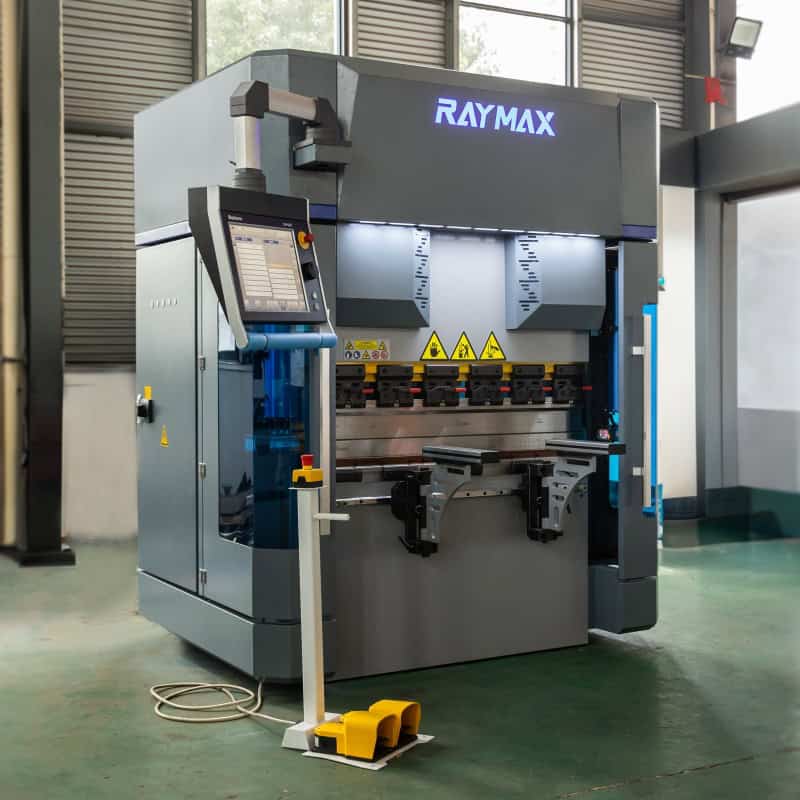
rack and structure
As the main frame supporting the whole machine, the rack needs to be firm and stable. Therefore, high-strength steel structure is often the preferred material for frame manufacturing, which can ensure the stable operation of the machine and support other parts.
sliding block
Slide block is the movable part of press brake, which is generally driven by voltage or hydraulic system. It carries the displacement of the upper die and exerts bending force on the metal plate.
workbench
The workbench is composed of plywood and base plate. It is generally used to place and fix metal plates to ensure that there is no offset during bending.
back gauge system (manual / automatic / numerical control)
The back gauge system is generally used to position and support the metal plate to ensure that the metal plate is bent in the correct position.
Tooling type (punch and die, v-die, etc.)
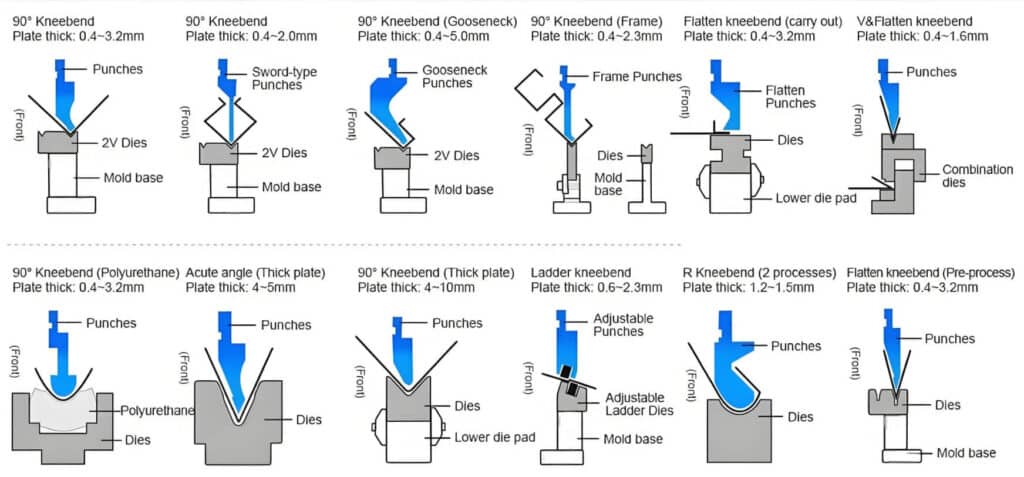
Tooling is to shape metal materials in the bending process. It includes upper punch and lower die. The upper die is responsible for supporting the punch to exert bending force, and the lower die is responsible for providing plastic shapes for metal materials.The most commonly used type of die is the v-die.
How to choose a suitable sheet metal press brake?
Main considerations
Selection Suggestions
As mentioned earlier, different press brakes have different functions. If you want to mass produce a heavy product, a large series or hybrid press brake is the best choice; If you need high-precision parts and low-noise production, electric press brakes or robotic press brakes are more suitable.
conclusion
By reading the above, I believe you have a basic and complete understanding of the sheet metal press brake. As an essential metal bending equipment in manufacturing industry, sheet metal press brake is widely used in aerospace, automobile manufacturing, transportation and other fields.
If you have the need to buy press brake, welcome to browse the products of this website! If you have any doubts during the selection process, you can click the customer service link at the bottom of the website. We are waiting for you at any time!
Ready To Upgrade Your Metal Fabrication Line?
Email Us For A Free Consultation.
FAQ
Related Blog
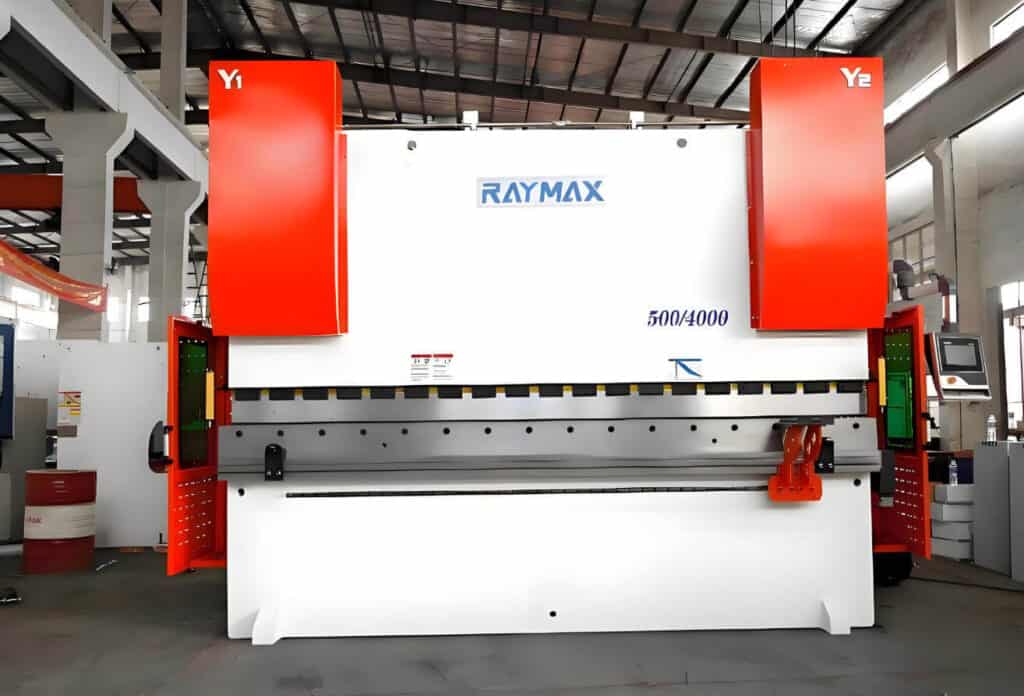
What Is a 3 Axis Press Brake? Complete Guide to Structure, Benefits & Selection
Tooling & Clamping for High-Mix Production: Quick Clamp vs Hydraulic Clamp vs Manual Clamp ROI
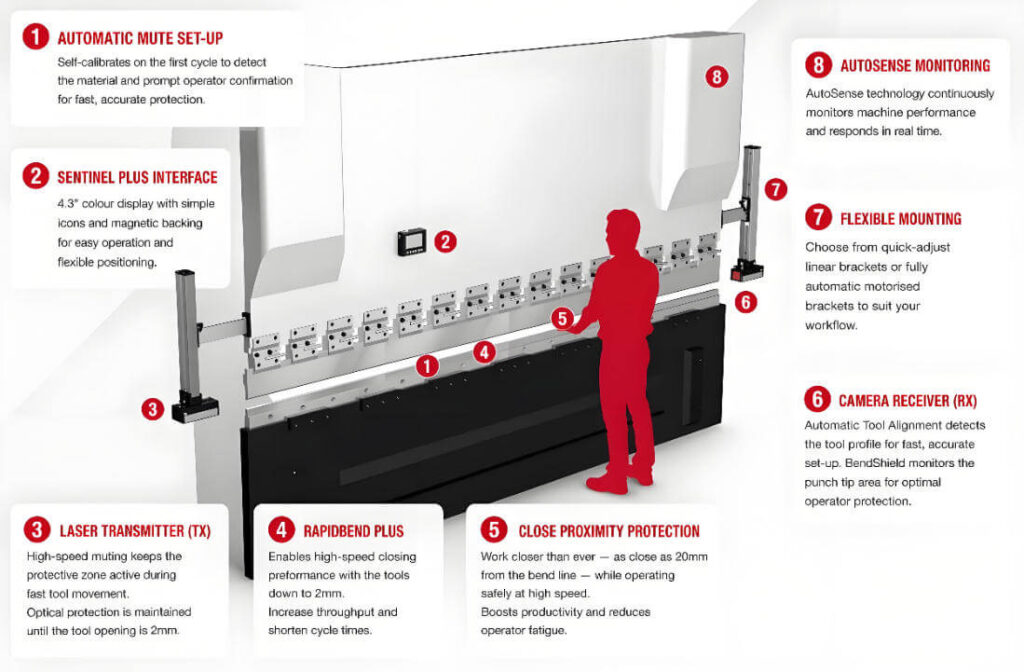
Press Brake Guarding Systems & Requirements: OSHA & ANSI Safety Guide
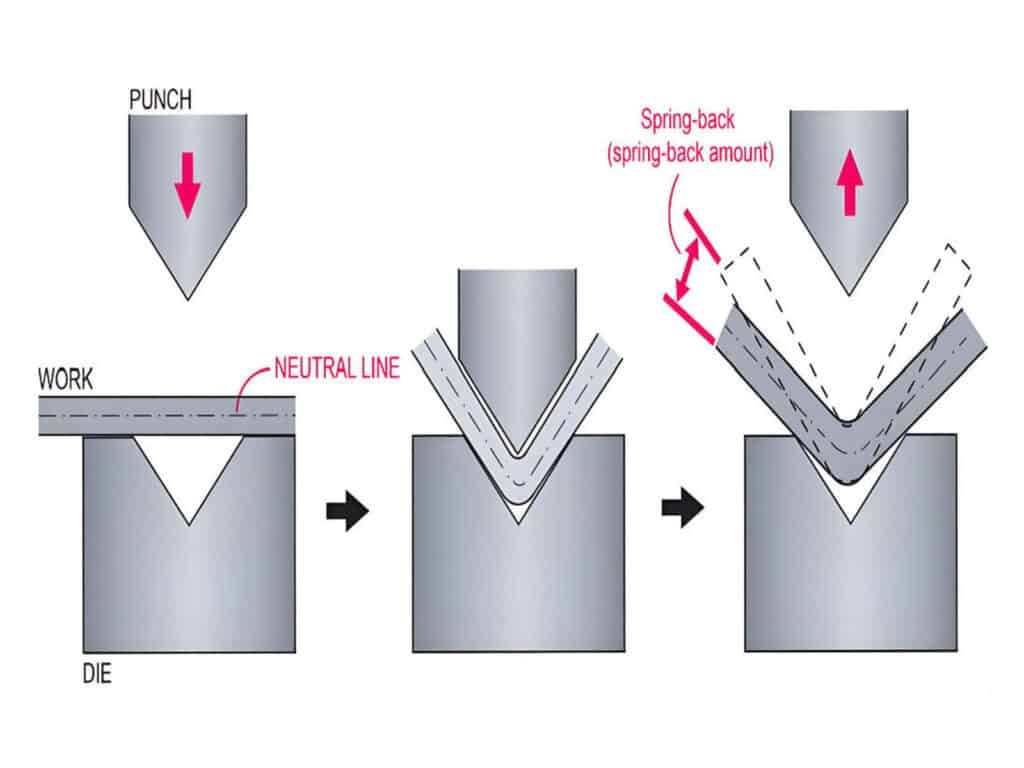
How to Reduce Springback in Press Brake Bending (SS/AL/MS Checklist)
Press Brake for Stainless Steel: Tonnage, V-Die Selection, Springback & Surface Protection
V-Die Opening Rule (6t/8t/10t): How to Choose Die V for Accurate Bending

Press Brake Buyers Guide: Expert Tips to Select, Compare, and Buy with Confidence
Press Brake Tooling Guide: Punches, Dies, Types and Selection
One-Stop Guide to Hydraulic Press Brake: Working Principle, Bending Process & Applications
Press Brake Bending Accuracy Checklist: 10 Quantified Factors to Inspect
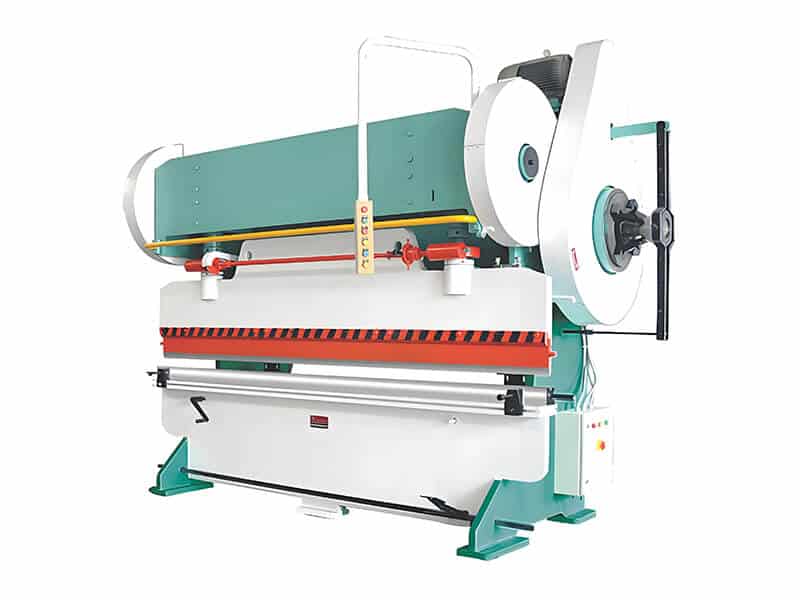
Pneumatic Press Brake: Complete Guide, Advantages, Applications & Buying Tips
Press Brake FAT/SAT Acceptance Checklist: Accuracy Tests, Tolerance & Documentation
Post Your Review
Share Your Thoughts And Feelings With Others