


Francis Pan
Francis Pan is the Foreign Trade Manager of RAYMAX, with over 10 years of experience in sheet metal fabrication equipment and CNC machinery. He has worked closely with manufacturers worldwide on press brakes, fiber laser cutting machines, fiber laser welding machines, and practical production-oriented metal processing solutions.
Top Guidelines
-1024x768.jpg)
-1024x768.jpg)
-1024x768.jpg)
-1024x768.jpg)
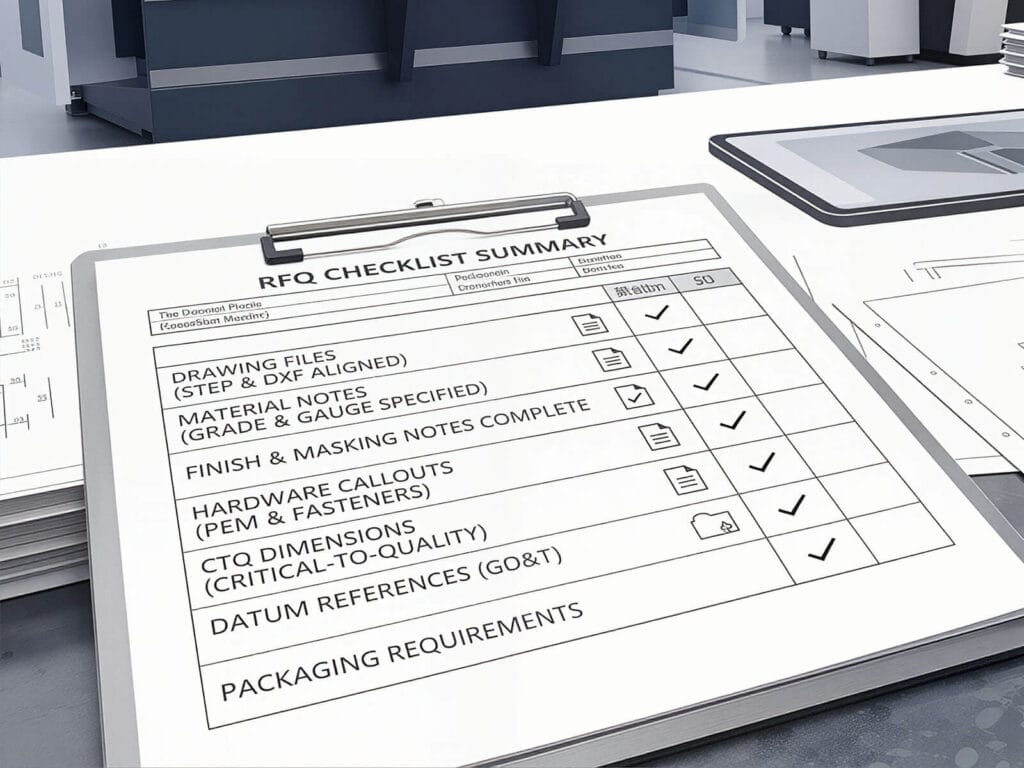
Table Of Contents
Stay in the the loop
Subscribe To Our Newsletter
Quick answer – which one should you buy?
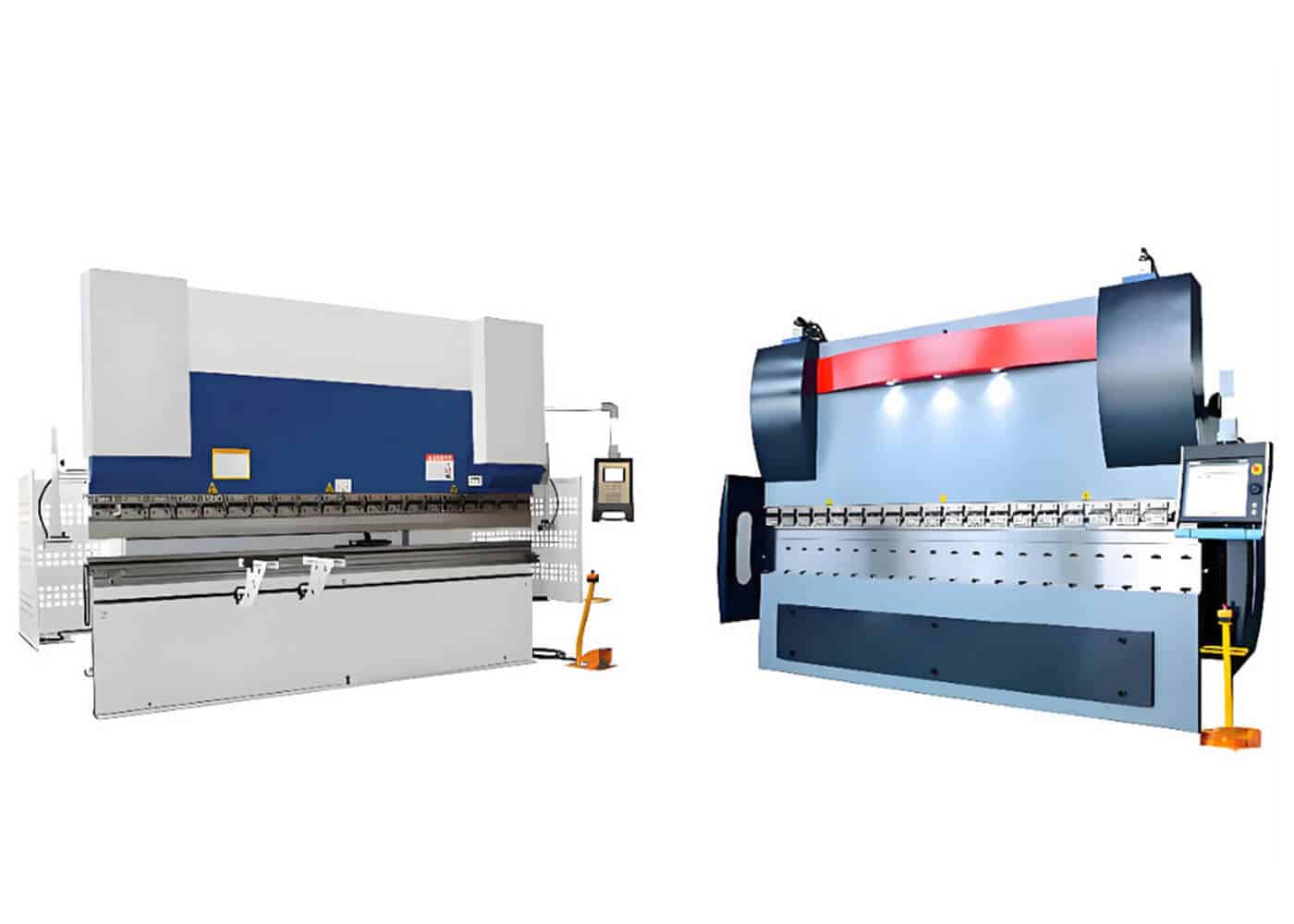
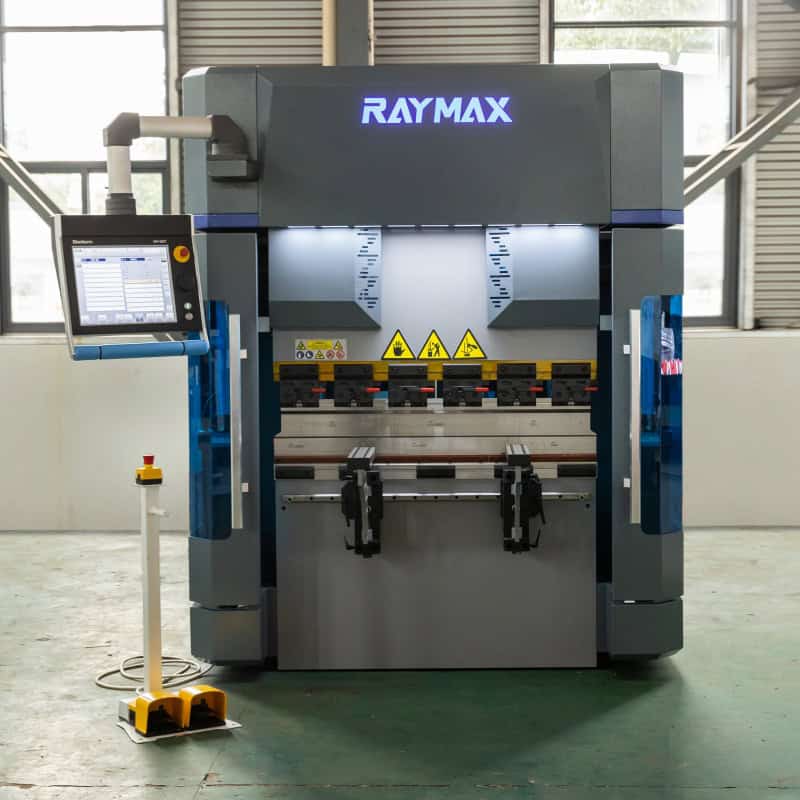
Press brake machines are essential in sheet metal fabrication. Choosing the appropriate press brake plays a crucial role in improving work efficiency, product quality, and controlling operating costs. The two common press brakes in the industry, electric press brakes and hydraulic press brakes, each have their own advantages. We can choose according to our own needs, such as plate thickness, tonnage, process complexity, production scale, and other factors. If it is mainly used for high-mix, low-volume (HMLV) bending of thin plates and frequent changeovers, electric press brakes are the preferred choice; If you frequently bend thick plates, large tonnage, and long workpieces, hydraulic press brakes are a more suitable choice. This article will provide a detailed explanation of the functions and differences between these two types of press brakes, helping everyone to gain a deeper understanding and make decisions that meet their needs.
What is an electric press brake?
Definition and Working Principle
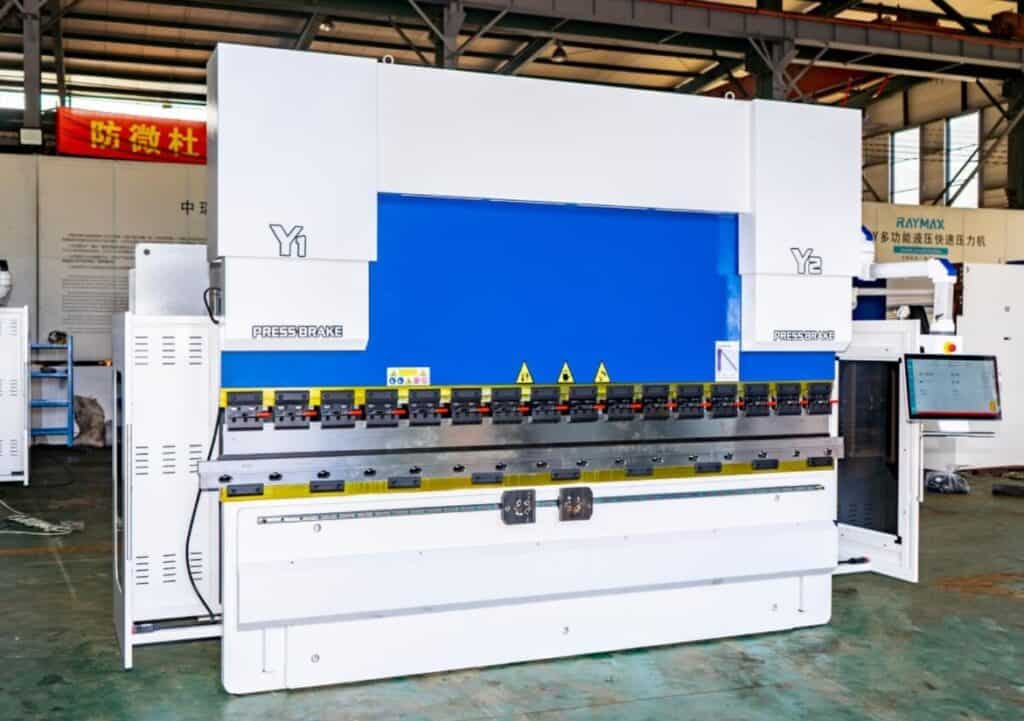
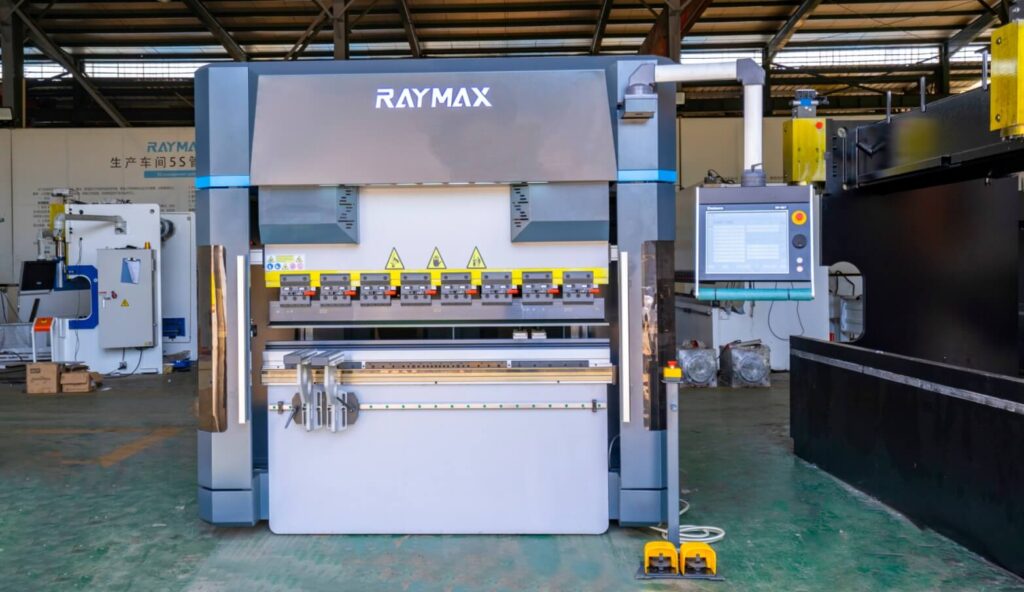
Electric press brake usually refers to fully electric servo/servo electric press brake. Its main working principle is that the servo motor controls the linear motion of the ram through mechanical transmission (such as screw/belt/gear mechanism, etc.), thereby achieving the control of bending depth and angle. During this process, the movement of the ram is controlled by an electric servo closed-loop system, which is the core advantage of the electric press brake. It can ensure precise positioning and more stable repeatability, achieving high-precision bending. But the final accuracy of bending is not only determined by the machine, but may also be affected by material springback, tooling state, compensation algorithm, and operating habits.
Typical working conditions suitable for electric press brakes

What is a hydraulic press brake?
Definition and working principle (oil pump+oil cylinder+valve control)
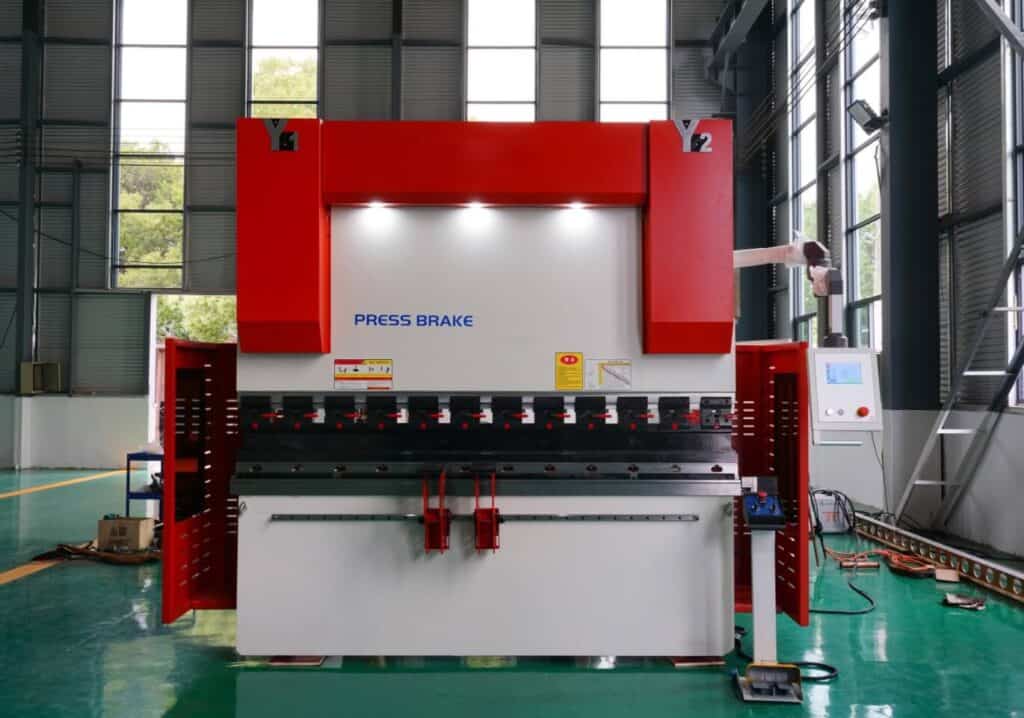
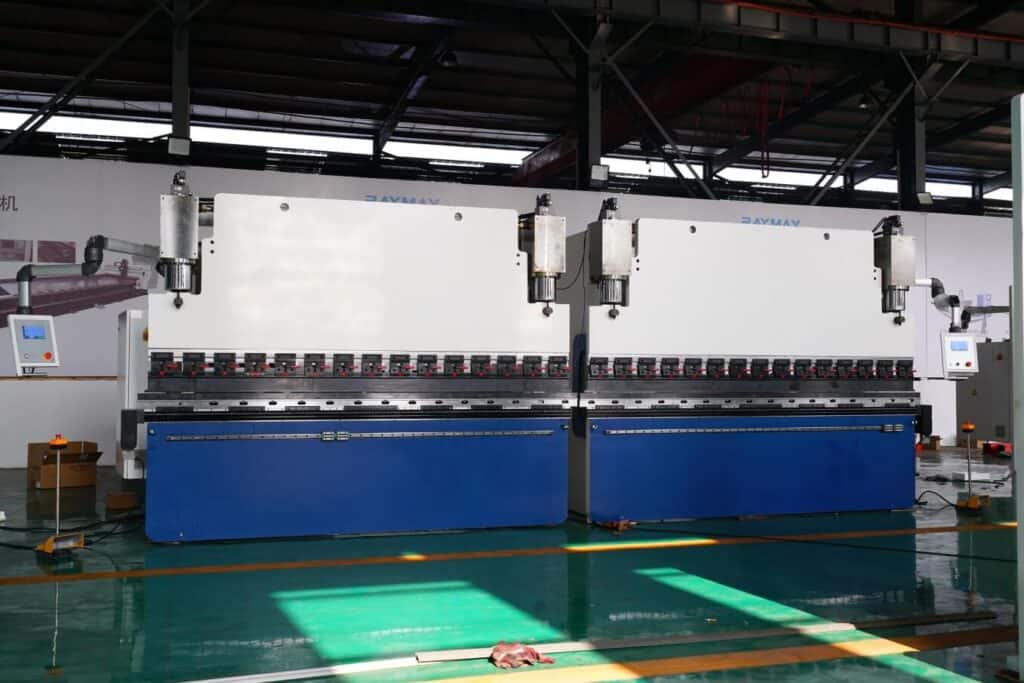
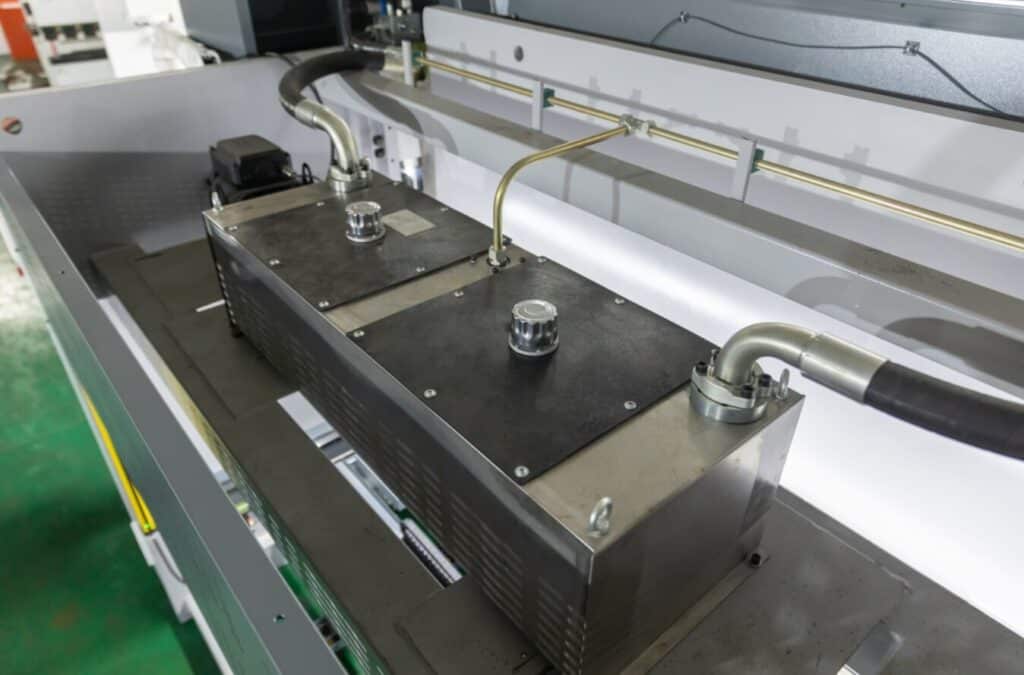
The working principle of hydraulic press brake relies on its powerful hydraulic system, mainly composed of hydraulic pump, valve group, oil cylinder and other components. First, the hydraulic power unit (HPU) builds system pressure. The valve group controls flow and pressure and directs pressurized oil to the cylinders. Finally, the oil cylinder pushes the ram down to complete the bending, and then controls the pressure holding/return action. The stability of hydraulic systems is affected by oil temperature, fluid, and seals, therefore, regular inspection and maintenance are crucial for maintaining the long-term consistency of hydraulic systems.
Typical working conditions suitable for hydraulic press brakes

Electric vs Hydraulic: Core Differences Comparison
Quick Check Comparison
Legend: ✅ = typically better / more suitable △ = depends on configuration & duty cycle — = not a key advantage
|
Dimension |
Servo-Electric Press Brake |
Hydraulic Press Brake |
|---|---|---|
|
Best for thin–medium sheet (HMLV, frequent changeovers) |
✅ |
△ |
|
Best for thick plate / high tonnage |
△ |
✅ |
|
Long workpieces / long bed applications |
△ |
✅ |
|
Short-stroke, high-frequency bending (short cycle time) |
✅ |
△ |
|
Angle repeatability in thin-sheet production |
✅ |
△ |
|
Maintaining consistency over long runs |
△ |
△ (oil temp & maintenance matter) |
|
Idle/standby energy consumption |
✅ |
△ |
|
Overall energy cost in many duty cycles |
✅ |
△ |
|
Oil-related maintenance (oil/filters/seals/leaks) |
✅ (less) |
— (required) |
|
Noise & clean shop environment |
✅ |
△ |
|
Upfront purchase cost |
△ (often higher) |
✅ (often lower) |
|
Automation/robot bending readiness |
✅ |
△ (more config-dependent) |
Quick takeaway: Choose servo-electric for thin-sheet HMLV work and frequent changeovers; choose hydraulic for thick plate, high tonnage, and long beds. For very simple, low-tonnage thin-sheet jobs where high CNC accuracy, long-bed bending, and high production efficiency are not required, a pneumatic press brake may also be considered as an entry-level or auxiliary bending option.
Accuracy and repeatability
Speed and productivity
Energy consumption and operating costs
We can estimate energy consumption based on the shift schedule.Here is a commonly used energy consumption comparison calculation method:
Annual electricity cost difference≈(hydraulic average power kW-electric/hybrid average power kW)x annual operating hours x electricity price
High energy consumption costs do not necessarily mean high total costs,and specific expenses such as purchase prices,maintenance costs,and downtime losses should also be considered.(Reference 3.7)
Maintenance and downtime
Tonnage and bending length capacity
Noise,Clean Operation,and Environmental Considerations
Initial procurement cost vs Total Cost of Ownership(TCO) over the entire lifecycle
As mentioned above,evaluating the cost of a press brake depends on the total cost,also known as TCO(Total Cost of Ownership),which mainly considers several aspects such as purchase price,electricity cost,maintenance and spare parts,downtime losses,and production capacity differences caused by changeover efficiency.
Compatibility between automation and robot bending
Both electric press brakes and hydraulic press brakes can achieve automation and robot bending.The key differences lie in whether the CNC system supports offline programming/interfaces,whether the quick-change clamping(system)and alignment methods are mature,whether the material support/follow-up support can reduce the sagging and scratching of the board,and whether the bending cycle and repeatability are stable.
How to choose:Procurement/Process Engineer Decision Framework
When should I prioritize choosing an electric press brake?
When is hydraulic press brake preferred?
When should hybrid/servo hydraulic be considered?
The hybrid/servo hydraulic press brake relies on servo motors to control the hydraulic circuit,and the motor only runs when needed,which can reduce continuous energy consumption.
Suitable for working conditions where the main processing materials are medium to high tonnage parts,and the material span is large,requiring strong universal bending ability.
Therefore,if you want to strike a balance between the coverage capacity of hydraulic press brakes and the high energy efficiency of electric press brakes,hybrid/servo hydraulic press brakes are a good choice.
“5 Quick Selection Questions”
After deciding whether an electric, hydraulic, or hybrid press brake is more suitable for your production needs, the next step is to compare suppliers. You can use our top press brake manufacturers guide to evaluate brands by product range, CNC control system, backgauge configuration, crowning method, service capability, and procurement risk before requesting a quotation.
2.jpg)
Procurement list
Parts and Process Requirements
Suggest providing your drawings or samples to your supplier.
Mold and changeover efficiency
CNC system and axis configuration(2–8+axis configurations)
Appropriate axis configuration is crucial for handling complex parts,changeover efficiency,repeatability,and production pace.
|
Axis name |
Controlled object |
The value it brings |
Applicable scenarios |
|---|---|---|---|
|
2 axes |
X+Y |
By controlling the movement of the backgauge through the X and Y axes,basic and simple bending operations can be achieved at a lower cost. |
The most basic model.Suitable for basic parts,standard parts,simple bending,and low efficiency requirements for changeover. |
|
3+1 axes |
Y1/Y2+X+V |
On the basis of 2-axis,the ram gains Y1/Y2 synchronization and crowning/deflection compensation,significantly improving the consistency of angles. |
Standard precision bending machine.Suitable for batch long workpieces with high requirements for angle consistency. |
|
4+1 axes |
Y1/Y2+X+R+V |
Added automatic adjustment of backgauge fingers(R axis)height for better efficiency in processing complex parts. |
Mainstream configuration in the industry.Suitable for workpieces with box,U-shaped,multi pass bending,and high interference. |
|
6+1 axes |
Y1/Y2+X+R+Z1/Z2+V |
Enables multi-axis control of the backgauge(X for in/out,R for up/down,Z1/Z2 for left/right finger positioning),improving positioning for complex bends. |
Advanced configuration.Suitable for complex processes and mixed production of large and small parts. |
|
8+1 axes |
Y1/Y2+X1/X2+R1/R2+Z1/Z2+V |
Controlled by eight motion control axes,the positioning degrees of freedom are fully extended.Top of the line model. |
For irregular parts,beveled edges,and heavy-duty multi-stage tooling. |
Safety and Compliance
Optional safety configurations: light curtain/laser protection,protective cover,emergency stop,two-hand control,etc.
Ensure that the machine complies with safety standards in your region,such as EU CE compliance and other applicable local safety regulations/standards in your region.
Comparison of typical application scenarios
Scenario A: Thin Plate Cabinet Category
Scenario B: Thick Plate Support / Construction Machinery Parts
Scenario C: Two shift production, medium to high tonnage,wanting to save electricity
Feature: Long workpiece, emphasizing angle consistency
Conclusion
Through the introduction of electric press brakes and hydraulic press brakes above,I believe you have a preliminary idea about what kind of press brake to choose.We don’t need to choose a better or more expensive press brake,but we must choose the press brake that best meets our production needs,which needs to be evaluated based on our material type,scale,budget,and long-term strategy.
If you need to purchase a press brake,please send us your material type,thickness,bending length,and part drawings.Our engineers will recommend suitable electric,hydraulic,or hybrid configurations(2–8 axis options)press brakes based on your processing needs and provide you with a quick quotation.
Ready To Upgrade Your Metal Fabrication Line?
Email Us For A Free Consultation.
FAQs
Related Blog
Master the Machine: Full Press Brake Structural Components Guide
Ultimate Guide to Hydraulic Press Brake Maintenance: Top Tools, Schedules & Expert Tips
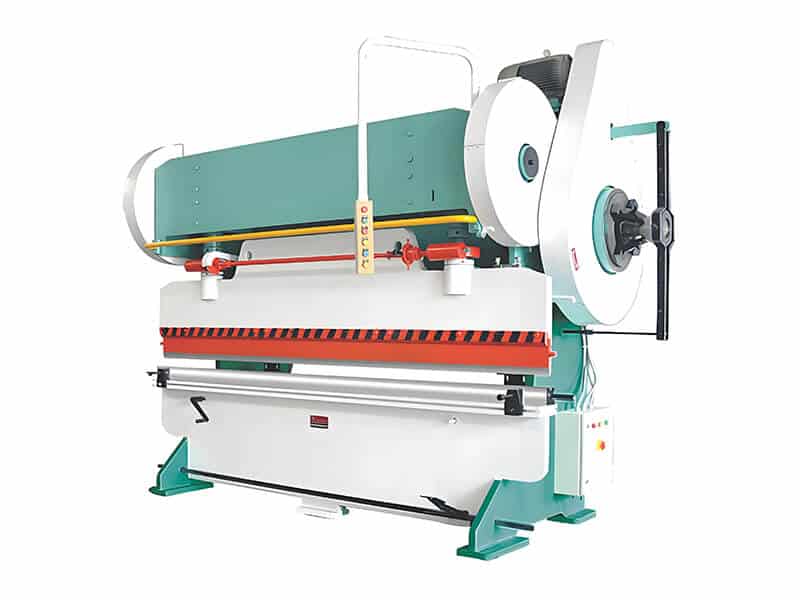
Pneumatic Press Brake: Complete Guide, Advantages, Applications & Buying Tips
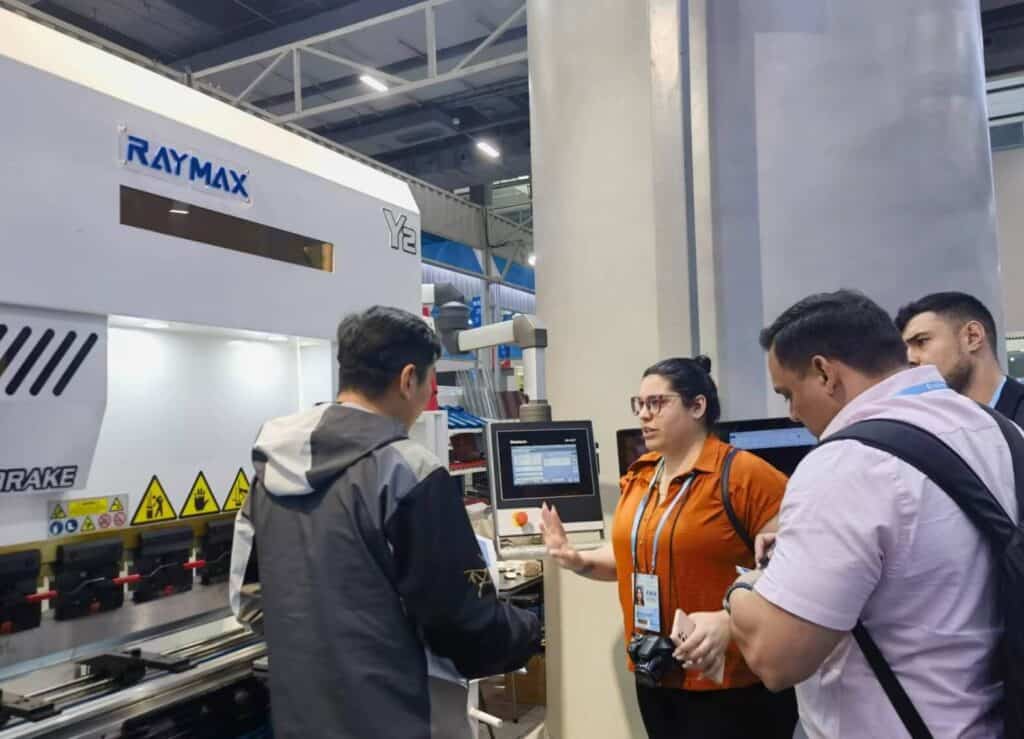
Top 10 Press Brake Manufacturers: How to Choose the Right Supplier
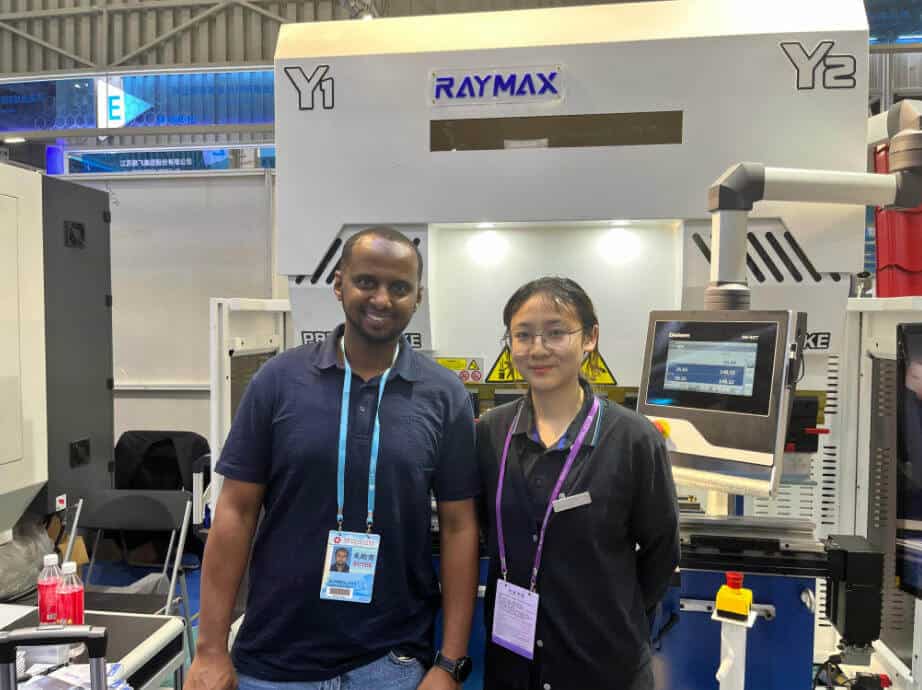
Press Brake Buyers Guide: Expert Tips to Select, Compare, and Buy with Confidence
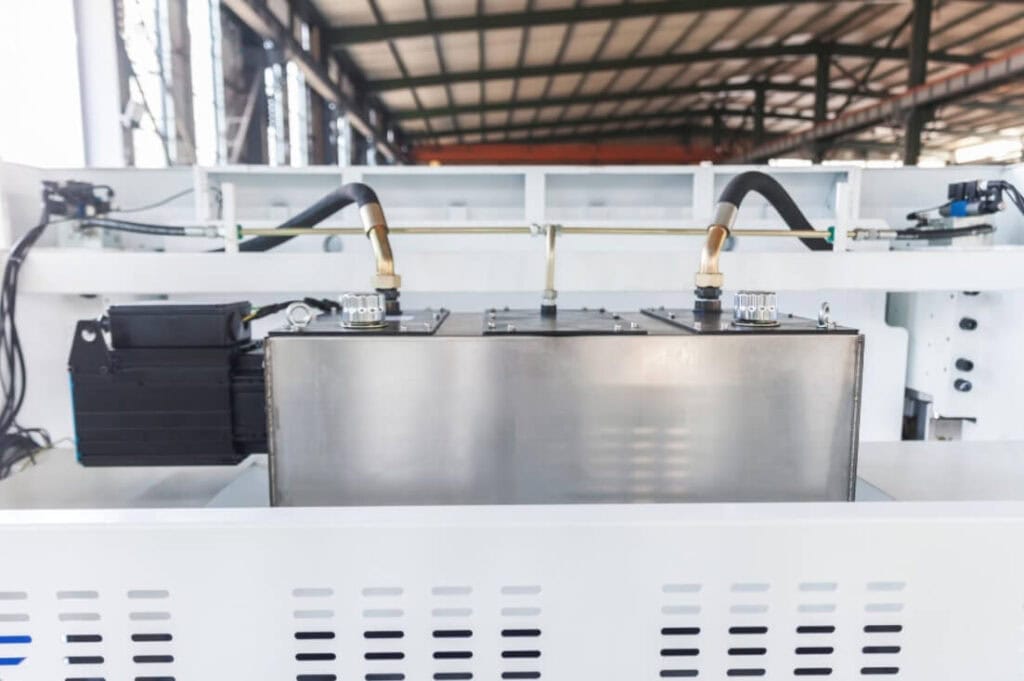
Hydraulic Press Brake Troubleshooting: The Ultimate Guide to Fix Common Problems
The Heart of Every Press Brake: Select, Maintenance & Upgrade Hydraulic Cylinders
One-Stop Guide to Hydraulic Press Brake: Working Principle, Bending Process & Applications
Hybrid Servo Press Brake vs Hydraulic Press Brake: Energy Use, Accuracy & ROI Compared
Press Brake Price Guide 2026: Cost Factors, Options & Accurate Quotes
Definition, working principle and selection guide of hybrid press brake
An Overview of Electric Press Brake Machines and Purchasing Tips
Post Your Review
Share Your Thoughts And Feelings With Others